The Harmony of the Spirit: Understanding Divine Communication
"If any man speak in an unknown tongue, let it be by two, or at the most by three, and that by course; and let one interpret." - 1 Corinthians 14:27
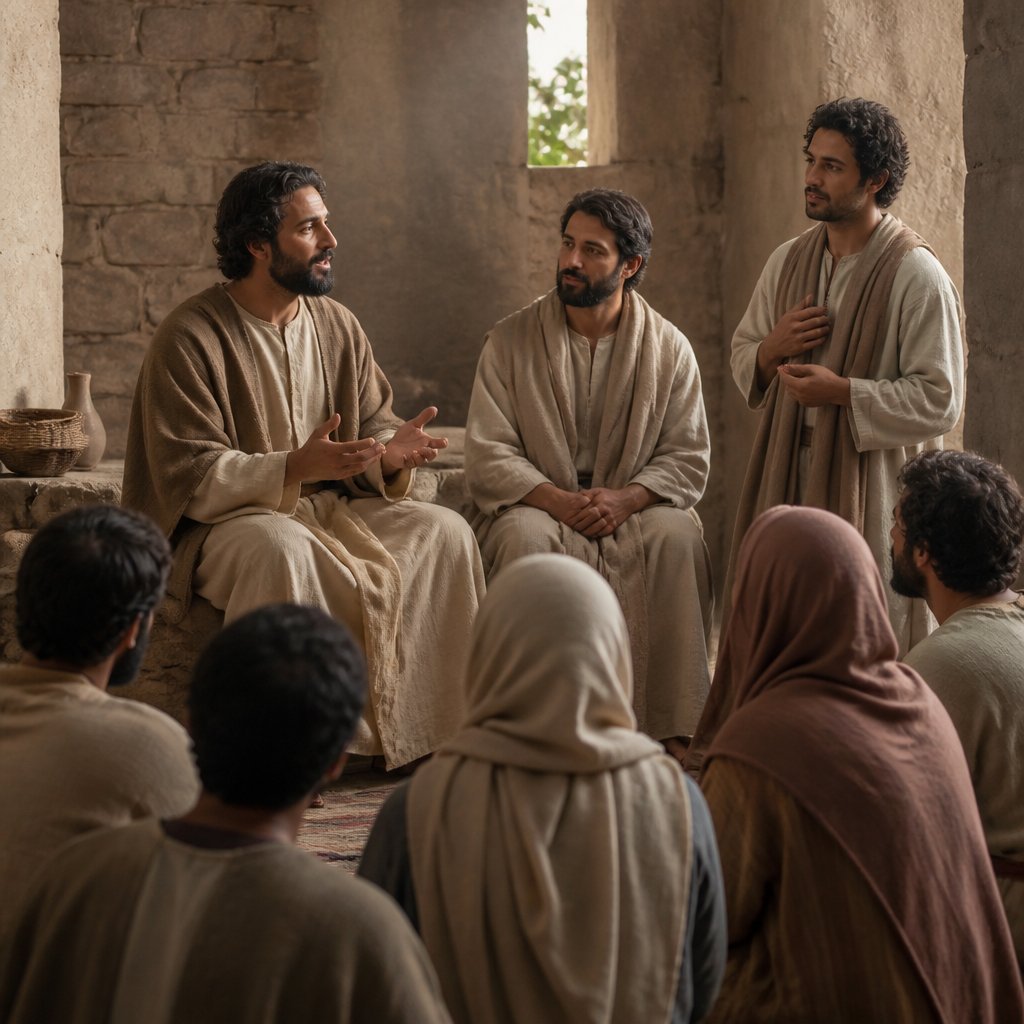
In 1 Corinthians 14:27, the Apostle Paul provides important guidelines for the use of spiritual gifts within the church, particularly focusing on the gift of tongues. The verse states: "If any man speak in an unknown tongue, let it be by two, or at the most by three, and that by course; and let one interpret." This instruction is not merely an organizational mandate; it reflects a deeper divine principle concerning the nature of tongues and the purpose of spiritual gifts in the body of Christ.
To comprehend the essence of Paul’s teaching, we must first understand the context of his epistle. The Corinthian church was diverse, filled with believers from various backgrounds. Even during their gatherings, their worship became a cacophony of voices speaking in tongues, leading to confusion rather than edification. Paul’s desire, as he writes this chapter, is not to stifle their expression of the Spirit but to ensure that the gifts are used in a manner that builds up the Church. Spiritual gifts are not for personal aggrandizement; they are meant to be exercised for the common good.
Paul begins by acknowledging the legitimacy of speaking in tongues, yet he immediately introduces constraints when he says, "let it be by two, or at the most by three." This regulation is crucial. The limitation serves two purposes: it prevents chaos during worship and encourages orderly ministry. In a community where the Spirit is free to work, it is vital that His gifts do not overwhelm His people but instead bring understanding and clarity. The phrase "let it be by course" emphasizes that there should be an orderliness about how the gift is exercised, discouraging spontaneous outbursts that could lead to confusion.
Furthermore, the command to "let one interpret" reinforces the idea that the ultimate goal of any spiritual manifestation is edification. When one speaks in an unknown tongue, there must be an interpretation for it to be beneficial. The word "interpret" here is not simply about translation; it conveys a deeper meaning—making clear the intentions of God to His people. It is through interpretation that the congregation can grasp what God is saying, thus ensuring that the speaking in tongues serves not only as personal communication between the speaker and God but is also edifying to the entire assembly.
In considering these instructions, we see the heart of God as a God of order, who desires to communicate clearly with His people. He is never the author of confusion (1 Corinthians 14:33); rather, He longs for His children to understand His will, His guidance, and His message of love. It highlights a beautiful truth about God's nature: He does not hide from us; He invites us into a relationship of understanding and exploration. This leads us to reflect on how we use our gifts today. We are also called to speak words that make sense to those around us, even when operating in our own spiritual gifts. The goal is always to draw others closer to God, to illuminate His truth, and to create a community anchored in love rather than chaos.
As we meditate on this passage, let us ask ourselves: are we exercising the gifts given to us by the Holy Spirit in a manner that uplifts others? Are we creating space for understanding, or are we invoking a spirit of confusion in our worship practices? May our prayer echo the heart of Paul’s message—Lord, help us to be vessels of Your peace, to speak with clarity, and to be channels of communication that bless and uplift those around us.
In a world that often seeks division, let us strive for harmony in the Spirit. The beauty of our faith should always lead to unity and understanding—a testament to the nature of our God.
Want to reflect more on 1 Corinthians 14:27?
Continue your spiritual journey with Bible Chat — an AI-powered tool for exploring God's Word through conversation. Ask questions, discover connections, and deepen your understanding.
Get Our Apps


1 Corinthians 14:27 Artwork

1 Corinthians 14:27 - "If any man speak in an unknown tongue, let it be by two, or at the most by three, and that by course; and let one interpret."
"If any man speak in an unknown tongue, let it be by two, or at the most by three, and that by course; and let one interpret." - 1 Corinthians 14:27

1 Corinthians 9:25-27

1 Corinthians 9:25-27

1 Corinthians 9:25-27

1 Corinthians 9:25-27

1 Corinthians 12:27

1 Corinthians 14:1

1 corinthians 14:1

1 Corinthians 14:36

1 Corinthians 14:37

1 Corinthians 14:36

1 Corinthians 12:27 - "Now ye are the body of Christ, and members in particular."

1 Corinthians 14:26-33

1 Corinthians 14:36-40

1 Corinthians 14:36-37

1 Corinthians 14:39-40

1 Samuel 14:27

1 Corinthians 14:14 - "For if I pray in an unknown tongue, my spirit prayeth, but my understanding is unfruitful."

1 Corinthians 12:14 - "For the body is not one member, but many."

1 Corinthians 14:32 - "And the spirits of the prophets are subject to the prophets."

Psalm 27:13-14

1 Corinthians 14:40 - "Let all things be done decently and in order."

1 Corinthians 16:14 - "Let all your things be done with charity."

1 Corinthians 1:14 - "I thank God that I baptized none of you, but Crispus and Gaius;"

1 Corinthians 14:38 - "But if any man be ignorant, let him be ignorant."

1 Corinthians 14:1 - "Follow after charity, and desire spiritual gifts, but rather that ye may prophesy."

1 Corinthians 14:17 - "For thou verily givest thanks well, but the other is not edified."

1 Corinthians 14:33 - "For God is not the author of confusion, but of peace, as in all churches of the saints."

1 Corinthians 10:14 - "Wherefore, my dearly beloved, flee from idolatry."