The Heart of Communion: Understanding the Lord's Supper
"When ye come together therefore into one place, this is not to eat the Lord's supper." - 1 Corinthians 11:20
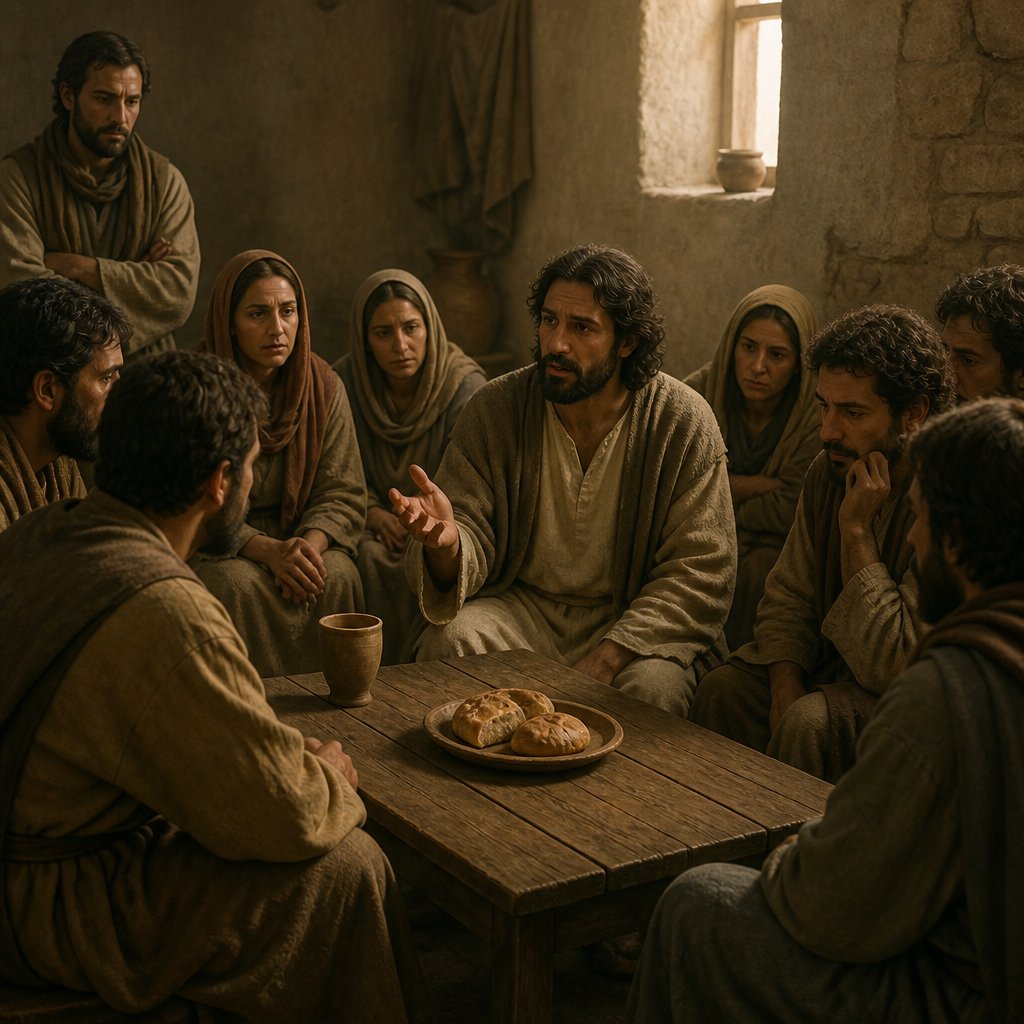
In the rich tapestry of Paul's letters, 1 Corinthians stands out as a vivid account of early Church struggles, teaching, and divine guidance. Among the myriad of issues addressed, Paul emphasizes the sanctity of the communal gathering, particularly in 1 Corinthians 11:20, where he states, "When ye come together therefore into one place, this is not to eat the Lord's supper."
To grasp the depth of this statement, we must understand the context of the Corinthian church. This burgeoning Christian community was plagued by divisions, moral failings, and misunderstandings about the essence of their faith. When they came together to observe the Lord’s Supper, a significant act symbolizing unity in Christ, they instead reflected their discord. The agape feast they held was marred by favoritism, the rich indulging while the poor were neglected, leading Paul to sternly remind them that what they were practicing was not the true Lord's Supper.
The phrase "this is not to eat the Lord's supper" challenges us to examine the intentions behind our actions of worship. Paul's use of the term 'not' underscores a severe misalignment between their practice and the purpose of Eucharist, which means 'thanksgiving' in Greek. Our participation in the communion should be a direct acknowledgment of Christ's sacrifice and an embrace of His teachings on love, unity, and selflessness.
In reflecting on this verse, we invite ourselves to ask, what does it mean to eat the Lord's Supper in a manner that honors its significance? How often do we approach the table of communion without a heart aligned with Christ's calling? In this sacred observance, we remember the body and blood of Christ, which were given for all people, not as a ritualistic duty but as a profound opportunity to embody His love.
We live in a world ripe with divisions - social, political, and economic. The Church, as the living body of Christ, is called to be a beacon of unity. Paul's admonition confronts the fragmented nature we often perpetuate, challenging us to reflect on the purity and purpose of our gatherings. It urges us to empty ourselves of self-serving motives and embrace the communal spirit of love and equality. Each time we partake in communion, we do so not only in remembrance of Christ but also in solidarity with one another as members of one body (1 Corinthians 12:27).
As we prepare to gather in worship, let us remember that the Lord’s Supper is not merely a meal; it’s a declaration of faith, a commitment to embodying the love and grace that Christ extends to us. To partake in the Lord's Supper authentically means acknowledging our flaws, our need for grace, and our call to extend that same grace to others.
Moreover, 1 Corinthians 11 serves as a reminder of the need for self-examination. Paul instructs the Corinthian believers to examine themselves before they partake in communion (1 Corinthians 11:28). This is an invitation for us as well - to assess the state of our hearts. Are we harboring resentments? Are we allowing divisions among us? The act of communion should lead us to repentance, reconciliation, and the renewing of our commitment to live as Christ commanded.
In conclusion, let us strive to gather in one place with the true intention of eating the Lord’s Supper. Let the communion we share reflect a heart of unity and reverence toward God and each other. As we do so, we not only honor Christ’s sacrifice but also affirm our identities as His followers, committed to the work of Love in a divided world. May our gatherings truly portray the essence of the Lord's Supper, without division but filled with unity, love, and a remembrance of the Savior who draws us together.
Want to reflect more on 1 Corinthians 11:20?
Continue your spiritual journey with Bible Chat — an AI-powered tool for exploring God's Word through conversation. Ask questions, discover connections, and deepen your understanding.
Get Our Apps


1 Corinthians 11:20 Artwork

1 Corinthians 11:20 - "When ye come together therefore into one place, this is not to eat the Lord's supper."
"When ye come together therefore into one place, this is not to eat the Lord's supper." - 1 Corinthians 11:20

1 Corinthians 4:20

1 Corinthians 4:20

1 Corinthians 4:20

1 Corinthians 4:20

1 Corinthians 1:19-20

1 Corinthians 1:19-20

1 Corinthians 1:19-20

1 Corinthians 1:19-20

1 Corinthians 1:19-20

1 Corinthians 1:19-20

1 Corinthians 1:19-20

1 Corinthians 1:19-20

1 Corinthians 1:19-20

1 Corinthians 1:19-20

1 Corinthians 1:19-20

1 Corinthians 1:19-20

1 Corinthians 1:19-20

1 Corinthians 1:19-20

1 Corinthians 1:19-20

1 Corinthians 1:19-20

1 Corinthians 1:19-20

1 Corinthians 1:19-20

1 Corinthians 1:19-20

1 Corinthians 1:19-20

1 Corinthians 6:19-20

1 Corinthians 6:19-20

1 Corinthians 6:19-20

1 Corinthians 4:20 - "For the kingdom of God is not in word, but in power."