The Legacy of Ephraim: Discovering Faith in the Generations
"¶ And the sons of Ephraim; Shuthelah, and Bered his son, and Tahath his son, and Eladah his son, and Tahath his son," - 1 Chronicles 7:20
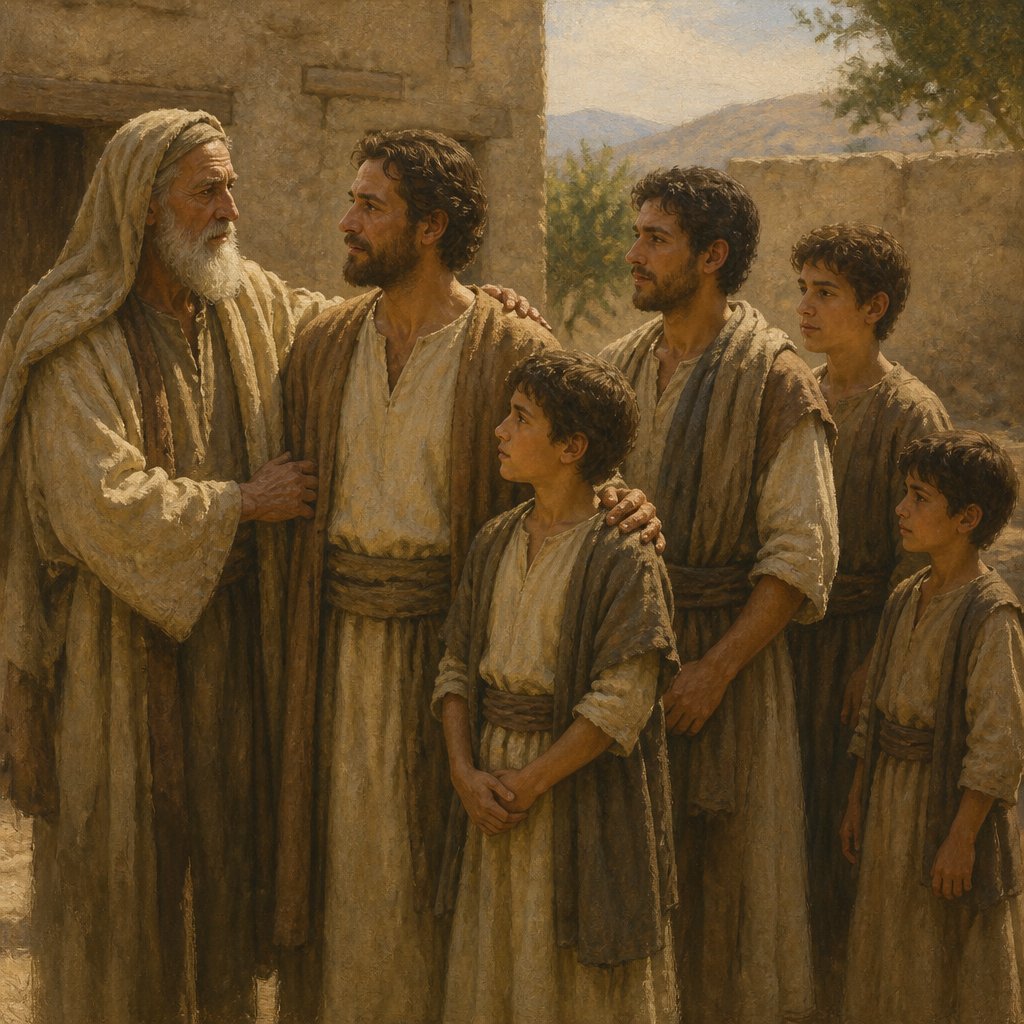
The intricate genealogies found in the Bible often seem mundane or repetitive, but within them lies a wealth of wisdom and divine providence. In 1 Chronicles 7:20, we are greeted with the names of the sons of Ephraim: "And the sons of Ephraim; Shuthelah, and Bered his son, and Tahath his son, and Eladah his son, and Tahath his son." At first glance, this verse simply recounts a lineage, but upon deeper reflection, it reveals profound lessons about faith, legacy, and the importance of generations in the plan of God.
**Understanding the Context**
To appreciate the significance of this verse, it's vital to consider the broader narrative. Ephraim, son of Joseph, was one of the tribes of Israel. The descendants of Ephraim played a critical role in the history of Israel, often leading the way in battles, worship, and governance. Here, the chronicler records Ephraim's lineage to remind the people of God's faithfulness across generations. Each name holds significance, grounding the reader in the story of God’s people—not merely as a linear history but as a tapestry woven into the fabric of divine purpose.
**Shuthelah: A Name of Authority**
Starting with Shuthelah, whose name means "he will bring forth," we see a figure of potential and growth. Shuthelah's legacy speaks to the promise of God that would extend through him and his descendants. This invites us to ponder what it means to bring something into existence through faith. Just as God brought forth His chosen people through Ephraim, He does the same today through us. In every believer lies the potential to fulfill God’s purpose and create a legacy that honors His name.
**Bered: A Son Born from Suffering**
Next in the list is Bered, meaning "a son of oppression". This name reminds us that every generation faces trials and tribulations. Bered’s very name is a testament to the hardship that often accompanies the lordship of Christ. Even as we walk in faith, we endure the inevitabilities of life’s struggles. Yet, it is precisely during these moments of challenge that our faith is deepened and our character refined. God often uses our suffering as a pathway to stronger roots in His promise, ensuring that our legacy is not merely one of ease, but one forged in adversity, much like gold purified in fire.
**Tahath: Repeating Promises**
The name Tahath appears twice—first as a son of Bered and then as a son of Eladah—symbolizing the cycle of faith and repetition within the family line. Each generation has the opportunity to build upon the foundation laid by the previous one. This repetition of names could remind us of the importance of teaching our children about faith, God’s Word, and the stories of His faithfulness. As we pass down our faith, we create a lineage of devotion to God that echoes through generations.
**Eladah: God’s Faithfulness in Closeness**
Eladah, whose name means "God has known," beautifully encapsulates the intimacy of God’s relationship with His people. It is the reassurance that despite our inconsistencies, He knows each of us by name and desires a relationship with us. There’s comfort in knowing that our legacies are filled not with perfect histories, but with stories of a God who sees us, interacts with us, and loves us through our many generations and variations.
**Conclusion: A Call to Legacy**
In a world where individualism often overshadows community, this brief verse invites us to reflect on our legacy and the generations that follow. What stories are we passing down? What lessons are we teaching? Just as the lineage of Ephraim reminds us of God’s faithfulness, our lives can reflect the same. Let us strive to live out our faith in such a way that those who come after us can look back and see a lineage marked by devotion, resilience, and closeness to God. As stewards of His grace, let’s be intentional in shaping legacies that glorify our Creator, ensuring that our names—and those of our children—echo in the halls of heaven.
Want to reflect more on 1 Chronicles 7:20?
Continue your spiritual journey with Bible Chat — an AI-powered tool for exploring God's Word through conversation. Ask questions, discover connections, and deepen your understanding.
Get Our Apps


1 Chronicles 7:20 Artwork

1 Chronicles 7:20 - "¶ And the sons of Ephraim; Shuthelah, and Bered his son, and Tahath his son, and Eladah his son, and Tahath his son,"
"¶ And the sons of Ephraim; Shuthelah, and Bered his son, and Tahath his son, and Eladah his son, and Tahath his son," - 1 Chronicles 7:20

1 Chronicles 20:7 - "But when he defied Israel, Jonathan the son of Shimea David's brother slew him."

1 Chronicles 1:20 - "And Joktan begat Almodad, and Sheleph, and Hazarmaveth, and Jerah,"
"But when he defied Israel, Jonathan the son of Shimea David's brother slew him." - 1 Chronicles 20:7

1 Chronicles 8:20 - "And Elienai, and Zilthai, and Eliel,"

1 Chronicles 23:20 - "Of the sons of Uzziel; Michah the first, and Jesiah the second."

1 Chronicles 2:20 - "And Hur begat Uri, and Uri begat Bezaleel."

1 Chronicles 1:7 - "And the sons of Javan; Elishah, and Tarshish, Kittim, and Dodanim."

1 Chronicles 3:20 - "And Hashubah, and Ohel, and Berechiah, and Hasadiah, Jushab-hesed, five."

1 Chronicles 14:7 - "And Elishama, and Beeliada, and Eliphalet."

1 Chronicles 3:7 - "And Nogah, and Nepheg, and Japhia,"

1 Chronicles 7:27 - "Non his son, Jehoshua his son."

1 Chronicles 23:7 - "¶ Of the Gershonites were, Laadan, and Shimei."

1 Chronicles 25:20 - "The thirteenth to Shubael, he, his sons, and his brethren, were twelve:"

"And Elienai, and Zilthai, and Eliel," - 1 Chronicles 8:20

1 Chronicles 7:39 - "And the sons of Ulla; Arah, and Haniel, and Rezia."

1 Chronicles 7:38 - "And the sons of Jether; Jephunneh, and Pispah, and Ara."

1 Chronicles 12:7 - "And Joelah, and Zebadiah, the sons of Jeroham of Gedor."

1 Chronicles 7:1 - "Now the sons of Issachar were, Tola, and Puah, Jashub, and Shimron, four."

1 Chronicles 6:20 - "Of Gershom; Libni his son, Jahath his son, Zimmah his son,"

1 Chronicles 15:20 - "And Zechariah, and Aziel, and Shemiramoth, and Jehiel, and Unni, and Eliab, and Maaseiah, and Benaiah, with psalteries on Alamoth;"

1 Chronicles 16:20 - "And when they went from nation to nation, and from one kingdom to another people;"

1 Chronicles 9:20 - "And Phinehas the son of Eleazar was the ruler over them in time past, and the LORD was with him."

1 Chronicles 7:18 - "And his sister Hammoleketh bare Ishod, and Abiezer, and Mahalah."

1 Chronicles 24:20 - "¶ And the rest of the sons of Levi were these: Of the sons of Amram; Shubael: of the sons of Shubael; Jehdeiah."

1 Chronicles 26:20 - "¶ And of the Levites, Ahijah was over the treasures of the house of God, and over the treasures of the dedicated things."

1 Chronicles 7:6 - "¶ The sons of Benjamin; Bela, and Becher, and Jediael, three."

1 Chronicles 4:7 - "And the sons of Helah were, Zereth, and Jezoar, and Ethnan."

1 Chronicles 7:34 - "And the sons of Shamer; Ahi, and Rohgah, Jehubbah, and Aram."