Legacy in God’s Plan: The Meaning of Manasseh's Lineage
"¶ The sons of Manasseh; Ashriel, whom she bare: (but his concubine the Aramitess bare Machir the father of Gilead:" - 1 Chronicles 7:14
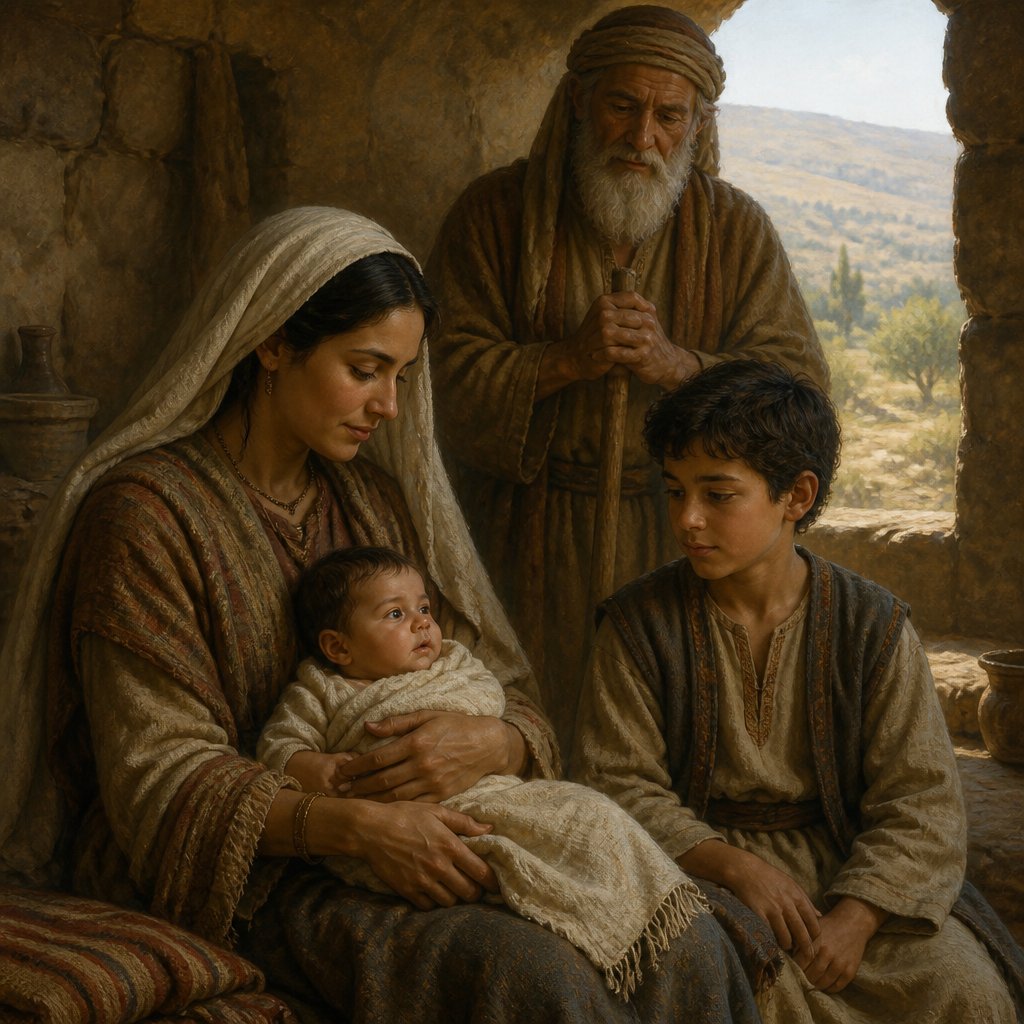
The genealogies in the Bible often seem like dry lists of names and relationships, particularly in sections like 1 Chronicles. It’s easy to skim through these verses without much thought, but every name holds significance in God’s unfolding story. As we delve into 1 Chronicles 7:14, we observe a snapshot of familial ties: "The sons of Manasseh; Ashriel, whom she bare: (but his concubine the Aramitess bare Machir the father of Gilead:" (1 Chronicles 7:14, KJV). This verse not only presents names but also opens a window into the complex tapestry of God’s intention for His people.
When we consider the lineage of Manasseh, we must first appreciate the historical context. Manasseh was one of the two sons of Joseph, born in Egypt, and his name means "forgetting," symbolizing Joseph's attempt to forget his struggles and the pain inflicted by his brothers (Genesis 41:51). This heritage is significant; it demonstrates that God was at work even in Joseph's trials, preparing a lineage that would eventually contribute to the nation of Israel.
In 1 Chronicles 7:14, we see the mention of Ashriel and Machir. Each name represents more than just an individual; they signify the continuation of God’s promises—those given to Abraham, Isaac, and Jacob. Machir, in particular, holds a special place as he is described as the father of Gilead, a region that would become significant in Israel's history. Gilead denotes strength and healing, as seen in the balm of Gilead mentioned later in Scripture (Jeremiah 8:22). Thus, there is a duality of meaning here: Machir is not only a physical ancestor but also an emblem of God’s provision and healing power amid strife.
Moreover, it is striking to note the inclusion of a concubine in the lineage. The family dynamics here reflect the multifaceted nature of human relationships and lineage in Biblical times. The reference to Machir's mother as "the Aramitess" suggests that he also comes from a mixed heritage, capturing a greater narrative of inclusivity and divine purpose. God’s plan often weaves through unexpected routes, showing us that even those from different backgrounds can fulfill His promises. This speaks powerfully to the church today, where diversity isn’t merely accepted but celebrated, for God’s kingdom encompasses every nation, tribe, and tongue.
As we reflect on our lives today, we must ask ourselves how we view legacy and lineage. Are we aware of the impact our family trees have on our destinies in Christ? In a way, each of us carries the stories of those before us—their triumphs, their trials, their prayers. Just as Ashriel and Machir are part of a much larger narrative, so are we all part of the living story God continues to write. We are marked by the victories and failures of our forebears, but more importantly, we are shaped by our faith in God, our decisions to trust Him, and our commitments to honor Him.
This passage encourages us to consider the significance of our own 'landscapes of legacy.' Are we building a heritage that stands before God, filled with faith and obedience? In families, conversations abound around what is passed down—both good and ill. As believers, we have the opportunity to turn toward Jesus, shaping our legacy so that it glorifies Him.
As we continue our journey, let us remember that like Machir, who came from unexpected roots yet had divine favor and purpose, we too are designed for significance within God’s plan. Let us act as spiritual forebears for future generations, exemplifying faithfulness to God’s calling. Let us leave behind a legacy that speaks of healing, authority, and strength—attributes of a life surrendered to Christ.
May we embrace the call to be part of a lineage that faithfully points to God’s goodness, even through the complexities and challenges of our backgrounds. Thus, we honor every story and every name as we answer His call together.
Want to reflect more on 1 Chronicles 7:14?
Continue your spiritual journey with Bible Chat — an AI-powered tool for exploring God's Word through conversation. Ask questions, discover connections, and deepen your understanding.
Get Our Apps


1 Chronicles 7:14 Artwork

1 Chronicles 7:14 - "¶ The sons of Manasseh; Ashriel, whom she bare: (but his concubine the Aramitess bare Machir the father of Gilead:"

"¶ The sons of Manasseh; Ashriel, whom she bare: (but his concubine the Aramitess bare Machir the father of Gilead:" - 1 Chronicles 7:14

2 chronicles 7:14

2 chronicles 7:14

1 Chronicles 14:7 - "And Elishama, and Beeliada, and Eliphalet."

"And Elishama, and Beeliada, and Eliphalet." - 1 Chronicles 14:7

Humble ourselves and pray 2 Chronicles 7:14

1 Chronicles 1:14 - "The Jebusite also, and the Amorite, and the Girgashite,"

1 Chronicles 14:6 - "And Nogah, and Nepheg, and Japhia,"

1 Chronicles 8:14 - "And Ahio, Shashak, and Jeremoth,"

1 Chronicles 14:5 - "And Ibhar, and Elishua, and Elpalet,"

1 Chronicles 24:14 - "The fifteenth to Bilgah, the sixteenth to Immer,"

1 Chronicles 2:14 - "Nethaneel the fourth, Raddai the fifth,"

1 Chronicles 1:7 - "And the sons of Javan; Elishah, and Tarshish, Kittim, and Dodanim."

1 Chronicles 3:7 - "And Nogah, and Nepheg, and Japhia,"

1 Chronicles 7:27 - "Non his son, Jehoshua his son."

1 Chronicles 6:14 - "And Azariah begat Seraiah, and Seraiah begat Jehozadak,"

1 Chronicles 3:14 - "Amon his son, Josiah his son."

1 Chronicles 14:9 - "And the Philistines came and spread themselves in the valley of Rephaim."

1 Chronicles 23:7 - "¶ Of the Gershonites were, Laadan, and Shimei."

1 Chronicles 14:13 - "And the Philistines yet again spread themselves abroad in the valley."

1 Samuel 14:7

1 Chronicles 7:39 - "And the sons of Ulla; Arah, and Haniel, and Rezia."

1 Chronicles 7:38 - "And the sons of Jether; Jephunneh, and Pispah, and Ara."

1 Chronicles 12:7 - "And Joelah, and Zebadiah, the sons of Jeroham of Gedor."

1 Chronicles 7:1 - "Now the sons of Issachar were, Tola, and Puah, Jashub, and Shimron, four."

"The Jebusite also, and the Amorite, and the Girgashite," - 1 Chronicles 1:14

1 Chronicles 7:18 - "And his sister Hammoleketh bare Ishod, and Abiezer, and Mahalah."

1 Chronicles 16:14 - "He is the LORD our God; his judgments are in all the earth."

1 Chronicles 7:6 - "¶ The sons of Benjamin; Bela, and Becher, and Jediael, three."