The Generational Legacy of Faith
"And Azariah begat Amariah, and Amariah begat Ahitub," - 1 Chronicles 6:11
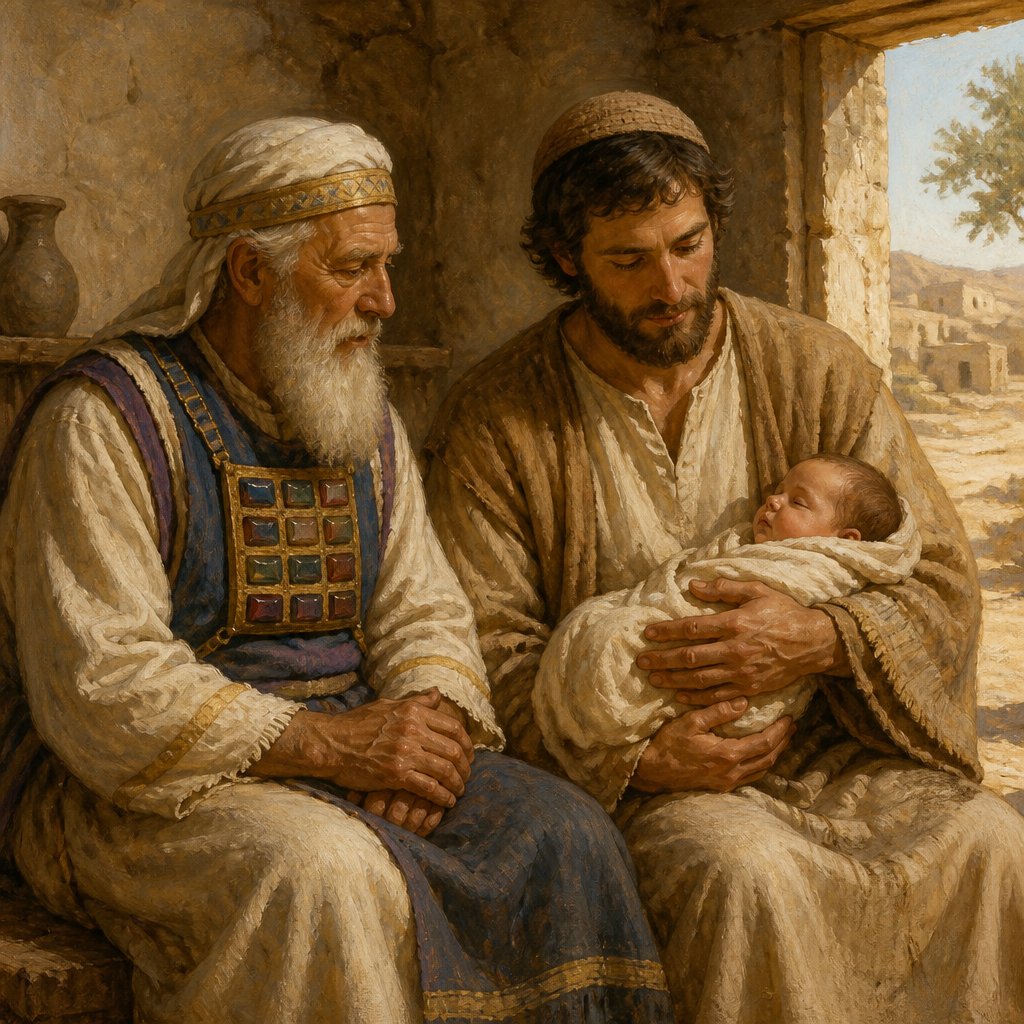
When we delve into the genealogies of the Bible, like the one found in 1 Chronicles 6:11, we might sometimes feel tempted to gloss over the long lists of names, viewing them as dry historical records devoid of spiritual significance. Yet, amidst these names—those of Azariah, Amariah, and Ahitub—lies a profound narrative that speaks to the essence of legacy, faith, and divine purpose. The verse reads: "And Azariah begat Amariah, and Amariah begat Ahitub" (1 Chronicles 6:11 KJV).
### Understanding the Context
The book of Chronicles is deeply concerned with the relationship of the people of Israel to their God, recounting their history, and emphasizing the importance of worship, priestly duties, and lineage. The genealogical lists serve not merely as family trees but as divine ribbons connecting generations. Each name represents not just an individual but a legacy of faith that leads to a greater culmination in God's redemptive plan.
### The Significance of Names
In biblical times, a name was more than an identifier; it encapsulated purpose, character, and destiny. Here, Azariah signifies "Yahweh has helped," suggesting a recognition of divine assistance and presence in life’s journey. When Azariah begets Amariah—meaning "Yahweh has said," we see a transition from reliance on divine help to active participation in God’s promises. Amariah in turn begets Ahitub, whose name means "my brother is good," indicating a familial bond and a shared commitment to the goodness of God. This progression through the lineage speaks volumes about how each successive generation carries the torch of faith.
### A Legacy of Faithfulness
Though the verse consists of just a handful of names, it encourages us to reflect on our own legacies. Azariah passed down faith to Amariah, who in turn passed it to Ahitub. This familial succession raises an essential question for us: What kind of spiritual heritage are we cultivating in our lives?
Every day, we are writing our own genealogies—whether through our biological families, friendships, or communities. Children and young people, even when they are unaware, are deeply influenced by the beliefs, values, and practices of those around them. Like Azariah and Amariah, we have the opportunity to pass down a legacy of faith that centers on knowing God and experiencing His mercy.
### Embracing Our Role
By examining these names, we recognize that our roles in the lives of others can be critical. Just as Azariah, Amariah, and Ahitub were integral parts of the family of Israel, we too are pivotal in the spiritual formation of those we encounter. We are reminded that legacy is not merely a result of lineage but a conscious decision to impart wisdom, love, and faithfulness to the next generation. Romans 15:4 encourages us that "whatsoever was written aforetime was written for our learning, that we through patience and comfort of the Scriptures might have hope" (KJV). The genealogies remind us of the importance of history, not for the sake of tradition alone, but to inspire us with hope and purpose.
### Conclusion
As we reflect on 1 Chronicles 6:11, let us commit ourselves to nurturing a legacy of faith within our families, communities, and beyond. Let us encourage an environment where the names of our loved ones will not just be forgotten characters in a book, but part of a grand narrative of God's redemptive work. May our names inspire others to run the race set before them and ascend to the faith that transcends the generations. Like Azariah, Amariah, and Ahitub, may we recognize that each name carries weight within the kingdom of God, and may we strive to ensure that our own contributions foster a lasting legacy of faith.
Want to reflect more on 1 Chronicles 6:11?
Continue your spiritual journey with Bible Chat — an AI-powered tool for exploring God's Word through conversation. Ask questions, discover connections, and deepen your understanding.
Get Our Apps


1 Chronicles 6:11 Artwork

1 Chronicles 6:11 - "And Azariah begat Amariah, and Amariah begat Ahitub,"
"And Azariah begat Amariah, and Amariah begat Ahitub," - 1 Chronicles 6:11

1 Chronicles 11:6 - "And David said, Whosoever smiteth the Jebusites first shall be chief and captain. So Joab the son of Zeruiah went first up, and was chief."

2 Chronicles 11:6 - "He built even Beth-lehem, and Etam, and Tekoa,"

1 Chronicles 6:6 - "And Uzzi begat Zerahiah, and Zerahiah begat Meraioth,"

2 Chronicles 6:11 - "And in it have I put the ark, wherein is the covenant of the LORD, that he made with the children of Israel."

1 Chronicles 1:11 - "And Mizraim begat Ludim, and Anamim, and Lehabim, and Naphtuhim,"

1 Chronicles 1:6 - "And the sons of Gomer; Ashchenaz, and Riphath, and Togarmah."

1 Chronicles 6:1 - "The sons of Levi; Gershon, Kohath, and Merari."

1 Chronicles 11:29 - "Sibbecai the Hushathite, Ilai the Ahohite,"

1 Chronicles 12:11 - "Attai the sixth, Eliel the seventh,"

1 Chronicles 11:40 - "Ira the Ithrite, Gareb the Ithrite,"

1 Chronicles 24:11 - "The ninth to Jeshua, the tenth to Shecaniah,"

1 Chronicles 11:27 - "Shammoth the Harorite, Helez the Pelonite,"

1 Chronicles 11:36 - "Hepher the Mecherathite, Ahijah the Pelonite,"

1 Chronicles 14:6 - "And Nogah, and Nepheg, and Japhia,"

1 Chronicles 11:47 - "Eliel, and Obed, and Jasiel the Mesobaite."

1 Chronicles 11:33 - "Azmaveth the Baharumite, Eliahba the Shaalbonite,"

1 Chronicles 8:11 - "And of Hushim he begat Abitub, and Elpaal."

1 Chronicles 11:43 - "Hanan the son of Maachah, and Joshaphat the Mithnite,"

1 Chronicles 11:32 - "Hurai of the brooks of Gaash, Abiel the Arbathite,"

1 Chronicles 11:41 - "Uriah the Hittite, Zabad the son of Ahlai,"

1 Chronicles 11:37 - "Hezro the Carmelite, Naarai the son of Ezbai,"

Psalm 11:6

Psalm 11:6

1 Chronicles 3:6 - "Ibhar also, and Elishama, and Eliphelet,"

1 Chronicles 6:25 - "And the sons of Elkanah; Amasai, and Ahimoth."

Psalm 11:6

Psalm 11:6

Psalm 11:6