The Legacy of Names: Understanding Our Spiritual Heritage
"And Elishama, and Eliada, and Eliphelet, nine." - 1 Chronicles 3:8
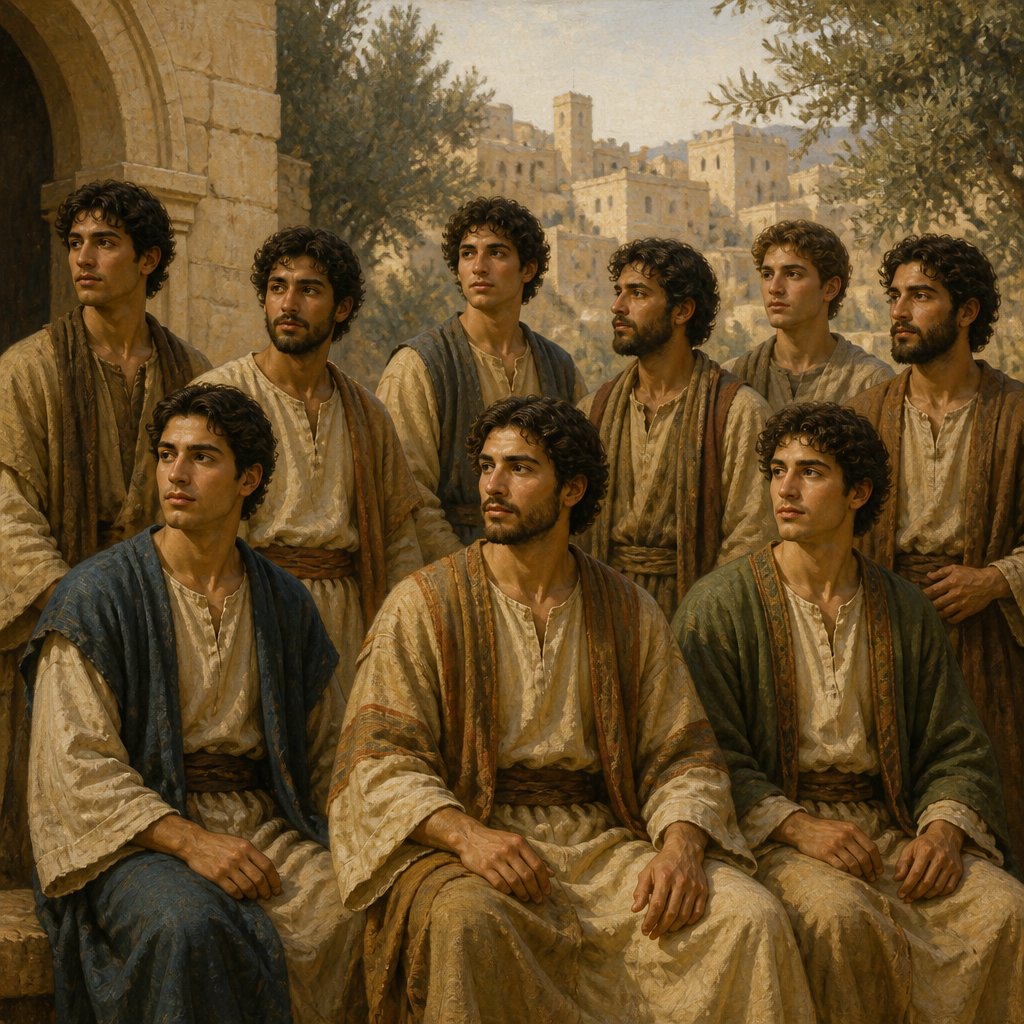
As we delve into the genealogies presented in 1 Chronicles, particularly 1 Chronicles 3:8, which states, "And Elishama, and Eliada, and Eliphelet, nine," it is essential to understand the significance of this verse within the broader context of biblical history and spiritual legacy.
Genealogies may often seem boring or inconsequential to the modern reader; however, they serve crucial purposes in Scripture. Each name represents generations of faith, struggles, triumphs, and the unfolding of God’s redemptive plan for humanity. Each individual commemorated in these lists has a story and contributes to the overarching narrative of God’s covenant with His people.
The verse in question reveals to us three names from the lineage of David, the great king of Israel. Their mention in this list is not merely a matter of record-keeping; it indicates a continuation of legacy and purpose. Elishama, Eliada, and Eliphelet are not just names; they are reminders of God’s promises and the faithfulness of His people. The very act of reading these names invites us to contemplate our roots and the testimonies we carry.
In examining the names themselves, we find potential meanings which might resonate with our personal faith journeys. "Elishama" can be understood as "God hears," reminding us that our prayers and pleas are not unheard. He is attentive to our cries; every moment of despair or joy resonates with Him. In life, we often seek assurance that we are being heard amidst the noise of our everyday existence. This name is a powerful reassurance that we have a God who is intimately aware of our lives and who listens.
Then we have "Eliada," which translates to "God knows." This is a profound statement that emphasizes God’s omniscience. He knows our innermost thoughts, struggles, and the intricacies of our hearts. In moments of doubt or loneliness, it is vital to remember that we are known fully by our Creator. As David often reflects upon throughout the Psalms, knowing that we are known can bring comfort to our souls and instill a sense of belonging in a world that can often feel isolating.
Lastly, there is "Eliphelet," meaning "God is deliverance." In this proclamation, we find hope encapsulated within the promise of God's salvation. No matter what bondage or despair we face in life, we hold onto the belief that deliverance is always within reach. The history of Israel is punctuated by moments where God acted powerfully to deliver His people from oppression and despair. Thus, we are encouraged to trust in His ability to bring freedom into our own lives.
Collectively, these names serve as spiritual landmarks in the narrative of God's people. They stand as testimonies of power, faith, and deliverance. They remind us that every generation has the potential to be a link in the chain of faithfulness. As we ponder our spiritual lineage, we consider who has influenced our faith—the “Elishamas,” “Eliadas,” and “Elipheleths” in our own lives who demonstrated the qualities of listening, knowing, and delivering.
As modern-day believers, we, too, are writing our stories. Our lives are testimonies that, when looked back upon, offer encouragement and solidarity to those coming after us. We can become the Elishama, Eliada, and Eliphelet of our communities, embodying the truth that God hears, knows, and delivers.
In closing, let us honor the legacy of faith that these names represent, as well as the potential within each of us to leave a mark on the spiritual genealogy of our families and communities. Reflect on your lineage, share your story, and remember that you are part of God’s greater plan. May you cultivate a legacy that echoes through generations, proclaiming in action, prayer, and love—the God who hears, knows, and delivers.
Want to reflect more on 1 Chronicles 3:8?
Continue your spiritual journey with Bible Chat — an AI-powered tool for exploring God's Word through conversation. Ask questions, discover connections, and deepen your understanding.
Get Our Apps


1 Chronicles 3:8 Artwork

1 Chronicles 3:8 - "And Elishama, and Eliada, and Eliphelet, nine."

"And Elishama, and Eliada, and Eliphelet, nine." - 1 Chronicles 3:8

1 Chronicles 8:3 - "And the sons of Bela were, Addar, and Gera, and Abihud,"

"And the sons of Bela were, Addar, and Gera, and Abihud," - 1 Chronicles 8:3

2 Chronicles 8:3 - "And Solomon went to Hamath-zobah, and prevailed against it."

1 Chronicles 3:7 - "And Nogah, and Nepheg, and Japhia,"

1 Chronicles 3:6 - "Ibhar also, and Elishama, and Eliphelet,"

1 Chronicles 3:14 - "Amon his son, Josiah his son."

1 Chronicles 1:3 - "Henoch, Methuselah, Lamech,"

1 Chronicles 1:8 - "¶ The sons of Ham; Cush, and Mizraim, Put, and Canaan."

1 chronicles 12:8

1 Chronicles 8:31 - "And Gedor, and Ahio, and Zacher."

1 Chronicles 8:20 - "And Elienai, and Zilthai, and Eliel,"

1 Chronicles 8:19 - "And Jakim, and Zichri, and Zabdi,"

1 Chronicles 8:24 - "And Hananiah, and Elam, and Antothijah,"

1 Chronicles 8:5 - "And Gera, and Shephuphan, and Huram."

1 Chronicles 8:26 - "And Shamsherai, and Shehariah, and Athaliah,"

1 Chronicles 8:22 - "And Ishpan, and Heber, and Eliel,"

1 Chronicles 8:14 - "And Ahio, Shashak, and Jeremoth,"

1 Chronicles 2:8 - "And the sons of Ethan; Azariah."

1 Chronicles 8:23 - "And Abdon, and Zichri, and Hanan,"

1 Chronicles 8:4 - "And Abishua, and Naaman, and Ahoah,"

1 Chronicles 8:15 - "And Zebadiah, and Arad, and Ader,"

1 Chronicles 3:12 - "Amaziah his son, Azariah his son, Jotham his son,"

John 3:3-8

1 Chronicles 8:2 - "Nohah the fourth, and Rapha the fifth."

1 Chronicles 3:18 - "Malchiram also, and Pedaiah, and Shenazar, Jecamiah, Hoshama, and Nedabiah."

1 Chronicles 3:16 - "And the sons of Jehoiakim: Jeconiah his son, Zedekiah his son."

"Amon his son, Josiah his son." - 1 Chronicles 3:14

1 Chronicles 8:17 - "And Zebadiah, and Meshullam, and Hezeki, and Heber,"