The Legacy of Shobal: Lessons from Lineage and Leadership
"And Shobal the father of Kirjath-jearim had sons; Haroeh, and half of the Manahethites." - 1 Chronicles 2:52
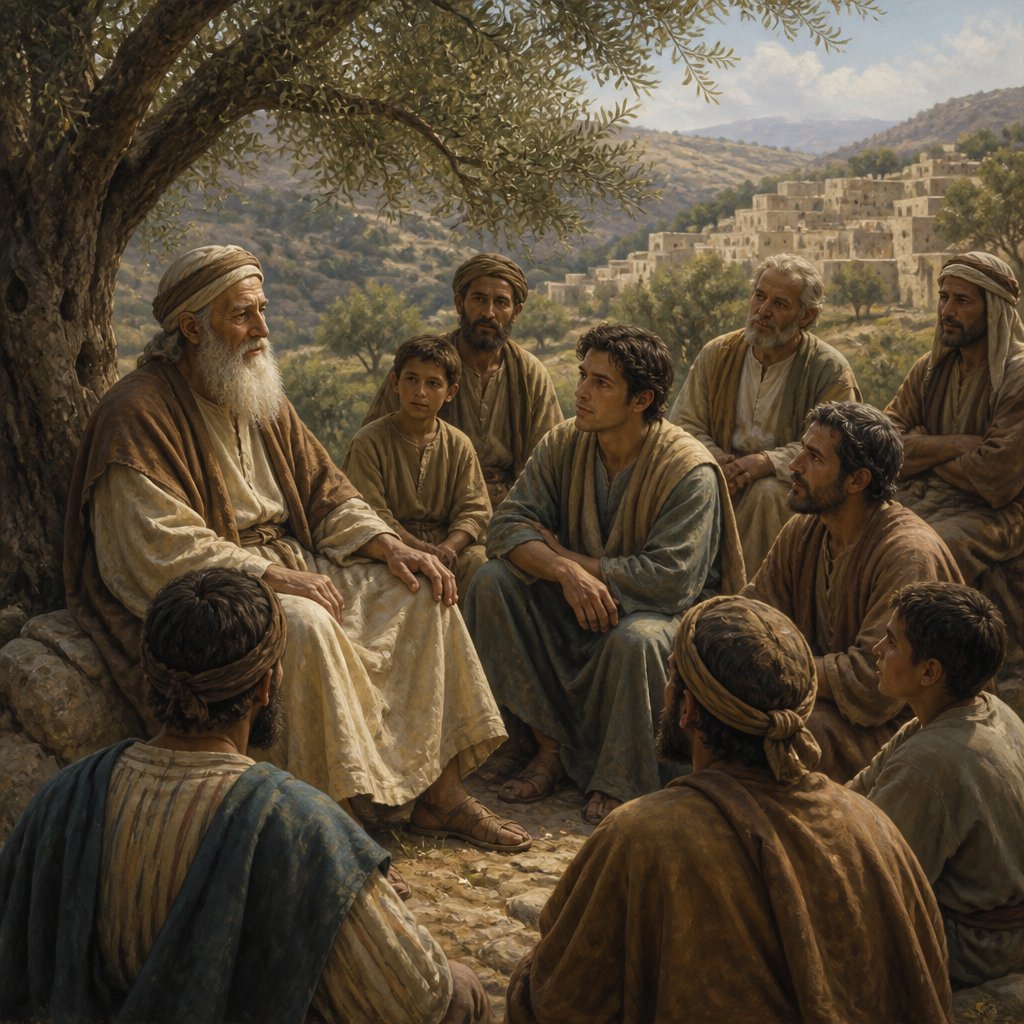
When we delve into the genealogies of the Bible, we often encounter texts that may appear dry or uninteresting at first glance. Yet, nestled within these verses are profound insights into the history, heritage, and heart of God’s people. One such verse is found in 1 Chronicles 2:52, which states, "And Shobal the father of Kirjath-jearim had sons; Haroeh, and half of the Manahethites." In these few words, we can uncover lessons about legacy, identity, and the significance of our spiritual lineage.
Shobal’s title as the "father of Kirjath-jearim" highlights his role within both his family and the broader community. Kirjath-jearim, known as the "city of forests", served as a significant location for the Israelites during their journey into the Promised Land. The mention of Shobal in the context of his lineage establishes a foundational connection to this city, while also drawing attention to the importance of community and belonging.
In our modern age, we often hear about the pursuit of individuality and personal success. However, the Bible consistently reminds us of the importance of our connections. Shobal’s legacy is a testament to the impact of familial ties and community. The sons of Shobal—Haroeh and half of the Manahethites—represent a continuation of this legacy. Each name carries with it a story, a connection to their father, and a role to play in God’s unfolding plan.
It’s worth noting that genealogies in Scripture serve not merely to document family lines but to remind us that each person has a story that matters—a story woven into the greater narrative of God's redemptive work through history. Have you ever considered how your personal story fits within the grand design God has? Perhaps you might not share a prominent surname or a history that has been widely celebrated, but as followers of Christ, we are partakers in a lineage that matters far more than worldly status. We are heirs to the promise—the multi-faceted family of God!
The mention of "half of the Manahethites" is intriguing. It illustrates not only Shobal's family connection but also the idea of division or partiality in relationships. This could signify many things in our lives—divisions that can exist within families, communities, or even within our spiritual walk. In these times, we understand that each segment of our life—whether full or half—serves a purpose in God’s plan. Just like the Manahethites contributed uniquely to the larger community, so too do we bring our distinct strengths to bear within the body of Christ.
Reflecting on Shobal invites us to consider what legacy we are creating for future generations. What will be said about us when our names are mentioned? Will we be recognized for our faithfulness, our love, or our service to others? Each decision we make today forms a part of our spiritual legacy. Like Shobal, we too have the power to impact our "city"—be that our family, workplace, or community—in significant ways simply through the choices we make every day.
The genealogy of Shobal leads us to appreciate God’s intricate design in weaving together our lives with purpose and intention. It challenges us to not only honor our legacies but to actively shape them, being mindful of how our actions reflect on those who come after us. As we engage with our spiritual heritage, let it motivate us to cultivate relationships, partake in our communities with grace, and establish roots that will grow fruitful for generations to come.
In our prayerful reflection today, let’s ask the Lord to reveal his purpose for our individual lives within the collective narrative of His people. May we stand as proud heirs of faith, contributing to a legacy that honors Him and blesses those who follow us.
Want to reflect more on 1 Chronicles 2:52?
Continue your spiritual journey with Bible Chat — an AI-powered tool for exploring God's Word through conversation. Ask questions, discover connections, and deepen your understanding.
Get Our Apps


1 Chronicles 2:52 Artwork

1 Chronicles 2:52 - "And Shobal the father of Kirjath-jearim had sons; Haroeh, and half of the Manahethites."
"And Shobal the father of Kirjath-jearim had sons; Haroeh, and half of the Manahethites." - 1 Chronicles 2:52

1 Chronicles 1:52 - "Duke Aholibamah, duke Elah, duke Pinon,"

1 Chronicles 6:52 - "Meraioth his son, Amariah his son, Ahitub his son,"
"Duke Aholibamah, duke Elah, duke Pinon," - 1 Chronicles 1:52
"Meraioth his son, Amariah his son, Ahitub his son," - 1 Chronicles 6:52

Luke 2:52

Jeremiah 52:16

Psalm 52:5

Luke 2:41-52
Ezra 2:52 - "The children of Bazluth, the children of Mehida, the children of Harsha,"

Luke 2:52 - "And Jesus increased in wisdom and stature, and in favour with God and man."

1 Corinthians 15:51-52

1 Corinthians 15:51-52

1 Corinthians 15:51-52

1 Chronicles 2:48 - "Maachah, Caleb's concubine, bare Sheber, and Tirhanah."

1 Corinthians 15:51-52

1 Chronicles 2:8 - "And the sons of Ethan; Azariah."

1 Chronicles 2:15 - "Ozem the sixth, David the seventh:"

1 Chronicles 2:14 - "Nethaneel the fourth, Raddai the fifth,"

1 Chronicles 2:38 - "And Obed begat Jehu, and Jehu begat Azariah,"

1 Chronicles 2:41 - "And Shallum begat Jekamiah, and Jekamiah begat Elishama."

1 Chronicles 2:36 - "And Attai begat Nathan, and Nathan begat Zabad,"

1 Chronicles 2:11 - "And Nahshon begat Salma, and Salma begat Boaz,"

1 Chronicles 2:39 - "And Azariah begat Helez, and Helez begat Eleasah,"

1 Chronicles 2:5 - "The sons of Pharez; Hezron, and Hamul."

1 Chronicles 1:2 - "Kenan, Mahalaleel, Jered,"

1 Chronicles 2:2 - "Dan, Joseph, and Benjamin, Naphtali, Gad, and Asher."

1 Chronicles 2:20 - "And Hur begat Uri, and Uri begat Bezaleel."

1 Chronicles 2:40 - "And Eleasah begat Sisamai, and Sisamai begat Shallum,"