The Weight of a King's Command: A Devotional Reflection on 1 Chronicles 21:6
"But Levi and Benjamin counted he not among them: for the king's word was abominable to Joab." - 1 Chronicles 21:6
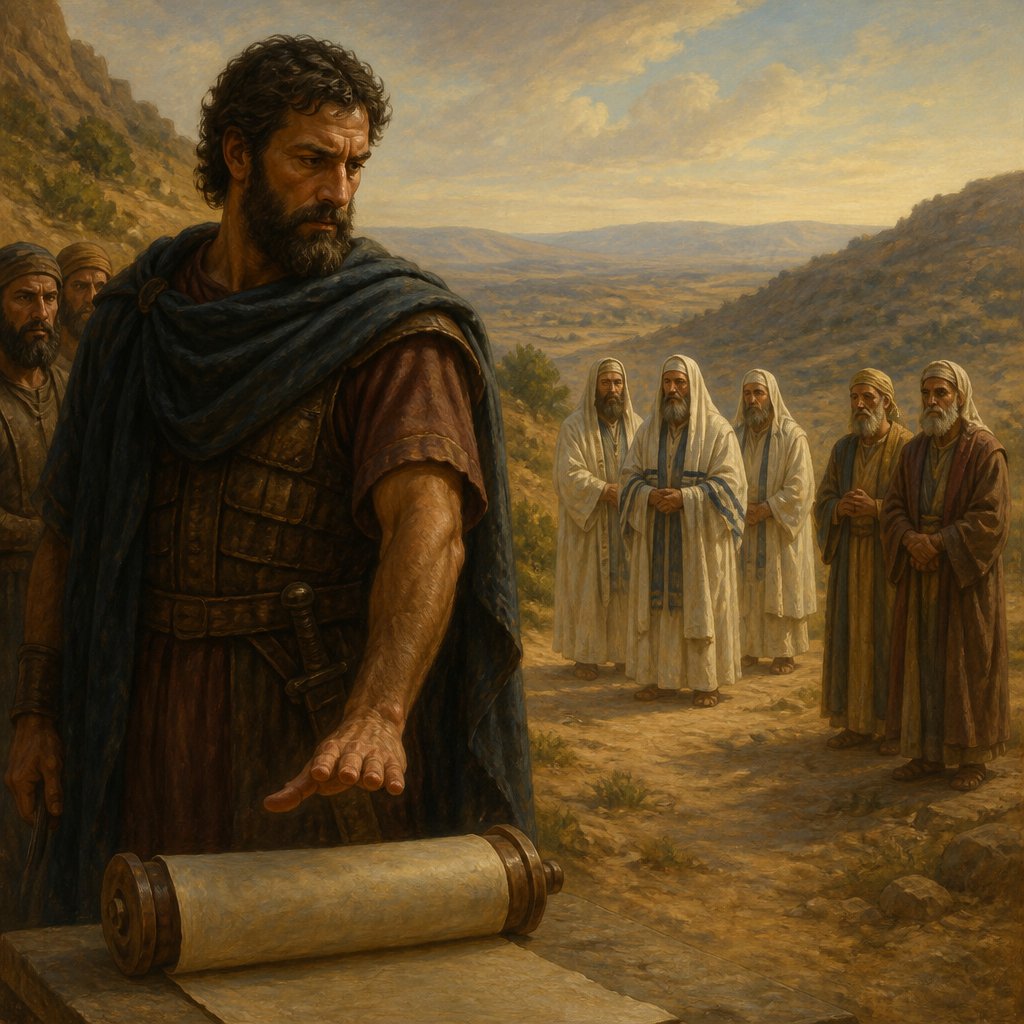
The biblical account captured in 1 Chronicles 21 recounts a pivotal moment in King David’s reign, illustrating the complexities of leadership, obedience, and conscience. The verse in focus, "But Levi and Benjamin counted he not among them: for the king's word was abominable to Joab" (1 Chronicles 21:6 KJV), presents a rich tapestry of themes that warrant our reflection and deeper understanding.
To appreciate the depth of this moment, we must contextualize it within the narrative. David, in his ambition to count the fighting men of Israel, issued a decree that, while a normal practice for rulers to assess their military strength, stirred a profound moral dilemma. The command was not merely a census; it was a challenge to the trust of the nation in God as their protector. In taking a numerical account of his armies, King David acted out of a need for reassurance, perhaps even resulting from doubt about God’s provision and strength. This impulse is something all leaders face — the temptation to rely on human strength over divine assurance.
Joab, David's loyal commander, discerned the gravity of this action and was fundamentally opposed to the idea. This dissent underscores a critical lesson on the role of wise counsel and the necessity of discerning the importance of godliness over blind loyalty. The phrase "for the king's word was abominable to Joab" (1 Chronicles 21:6 KJV) reveals Joab’s moral compass, rooted in a fear of God rather than fear of man. It prompts us to question: how often do we stand up against the direction from a leader when it contradicts our understanding of God’s word?
Joab’s refusal to count Levi and Benjamin also speaks volumes about belonging and identity. The tribes of Levi and Benjamin were significant in the history of Israel. The Levites were called to holiness, dedicated to serving God in the temple, while the tribe of Benjamin was significant, being one of the two tribes forming the Kingdom of Judah. By excluding these tribes from the count, Joab instilled a Biblical significance into his refusal, positioning his loyalty not to the crown but to God’s design for His people.
In our lives today, we encounter situations that press us to choose between our convictions and compliance. Joab acted out of his understanding of God’s command, showing us the importance of adhering to our beliefs, even when challenged by authority. The principle here resonates profoundly: We are called to respect and obey leadership, yet we must also prioritize our commitment to God’s truth. "We ought to obey God rather than men" (Acts 5:29 KJV). In a world where our faith and convictions can be challenged, the integrity to stand firm in truth becomes paramount.
As we reflect on this passage, we should also consider the implications of counting ourselves: How do we measure our worth? Are we defined by our accomplishments or our faithfulness to God’s calling? In the age of metrics, it’s easy to fall into the trap of quantifying success by tangible numbers, forgetting that what truly matters to God is the condition of our hearts.
Moreover, this verse challenges us to examine our motives in the roles we occupy, whether as leaders or followers. The next time we are faced with a decision that conflicts with our values, let us remember Joab’s example of principled resistance. We must evaluate whether our actions align with God’s intended purpose for our lives and His people.
In conclusion, 1 Chronicles 21:6 is not merely an account of rebellion against a king; it’s a powerful reminder that our faith must inform our decisions and actions, reflecting a commitment to God that supersedes earthly authority. As we live in our respective roles, let’s strive to be like Joab — courageous enough to resist commands that contradict our understanding of God’s greater purpose, leading with faithfulness, integrity, and humility.
Want to reflect more on 1 Chronicles 21:6?
Continue your spiritual journey with Bible Chat — an AI-powered tool for exploring God's Word through conversation. Ask questions, discover connections, and deepen your understanding.
Get Our Apps


1 Chronicles 21:6 Artwork

1 Chronicles 21:6 - "But Levi and Benjamin counted he not among them: for the king's word was abominable to Joab."
"But Levi and Benjamin counted he not among them: for the king's word was abominable to Joab." - 1 Chronicles 21:6

1 Chronicles 6:21 - "Joah his son, Iddo his son, Zerah his son, Jeaterai his son."

1 Chronicles 1:21 - "Hadoram also, and Uzal, and Diklah,"
"Joah his son, Iddo his son, Zerah his son, Jeaterai his son." - 1 Chronicles 6:21

John 21:6

1 Chronicles 6:6 - "And Uzzi begat Zerahiah, and Zerahiah begat Meraioth,"

1 Chronicles 8:21 - "And Adaiah, and Beraiah, and Shimrath, the sons of Shimhi;"

1 Chronicles 21:1 - "And Satan stood up against Israel, and provoked David to number Israel."

John 21:6

1 Chronicles 1:6 - "And the sons of Gomer; Ashchenaz, and Riphath, and Togarmah."

1 Chronicles 24:21 - "Concerning Rehabiah: of the sons of Rehabiah, the first was Isshiah."

1 Chronicles 6:1 - "The sons of Levi; Gershon, Kohath, and Merari."

1 Chronicles 9:21 - "And Zechariah the son of Meshelemiah was porter of the door of the tabernacle of the congregation."

1 Chronicles 21:7 - "And God was displeased with this thing; therefore he smote Israel."

1 Chronicles 21:9 - "¶ And the LORD spake unto Gad, David's seer, saying,"

"Hadoram also, and Uzal, and Diklah," - 1 Chronicles 1:21

1 Chronicles 21:21 - "And as David came to Ornan, Ornan looked and saw David, and went out of the threshingfloor, and bowed himself to David with his face to the ground."

1 Chronicles 14:6 - "And Nogah, and Nepheg, and Japhia,"

1 Chronicles 23:21 - "¶ The sons of Merari; Mahli, and Mushi. The sons of Mahli; Eleazar, and Kish."

1 Chronicles 3:6 - "Ibhar also, and Elishama, and Eliphelet,"

1 Chronicles 6:25 - "And the sons of Elkanah; Amasai, and Ahimoth."

1 Chronicles 25:21 - "The fourteenth to Mattithiah, he, his sons, and his brethren, were twelve:"

1 Chronicles 6:16 - "¶ The sons of Levi; Gershom, Kohath, and Merari."

1 Chronicles 6:17 - "And these be the names of the sons of Gershom; Libni, and Shimei."

1 Chronicles 6:28 - "And the sons of Samuel; the firstborn Vashni, and Abiah."

1 Chronicles 21:19 - "And David went up at the saying of Gad, which he spake in the name of the LORD."

1 Chronicles 15:21 - "And Mattithiah, and Elipheleh, and Mikneiah, and Obed-edom, and Jeiel, and Azaziah, with harps on the Sheminith to excel."

1 Chronicles 21:25 - "So David gave to Ornan for the place six hundred shekels of gold by weight."

1 Chronicles 6:58 - "And Hilen with her suburbs, Debir with her suburbs,"