The Division and Unity: Lessons from Eber's Sons
"And unto Eber were born two sons: the name of the one was Peleg; because in his days the earth was divided: and his brother's name was Joktan." - 1 Chronicles 1:19
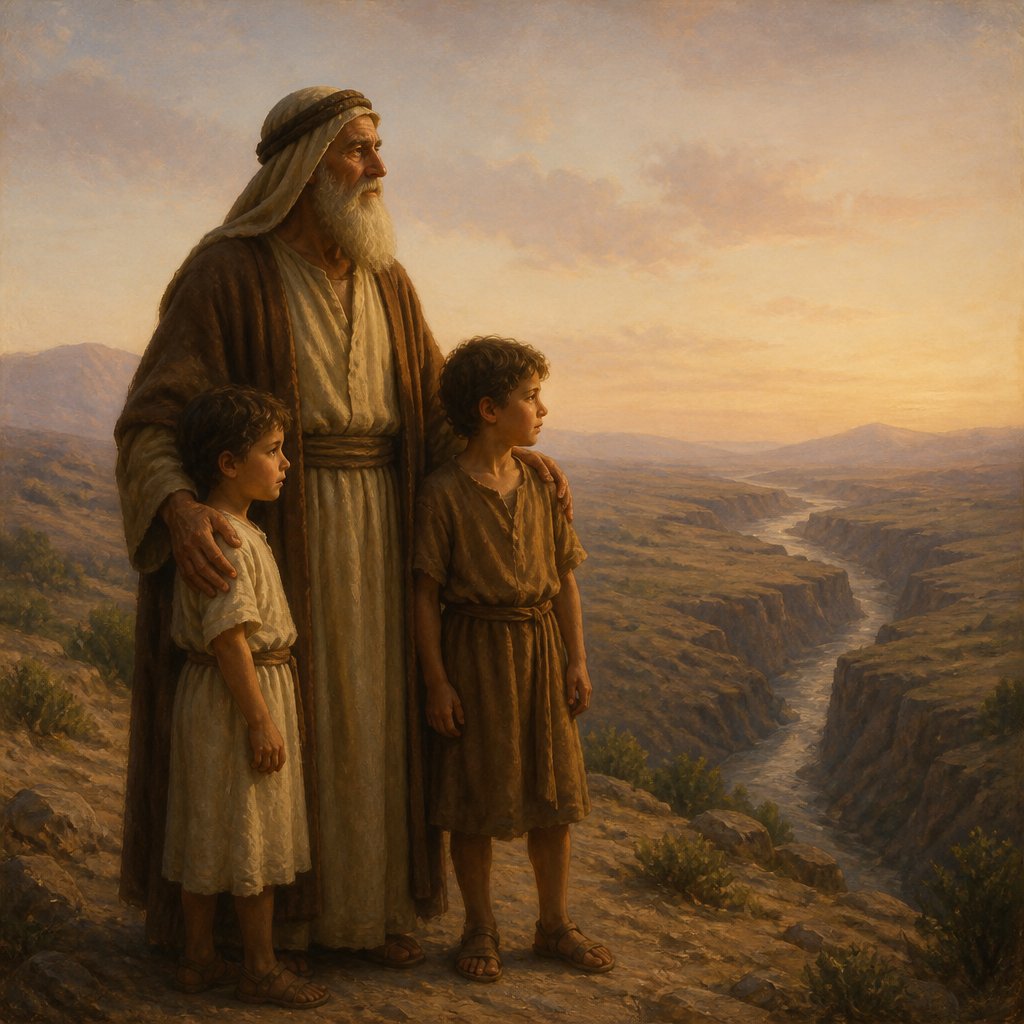
As we delve into the genealogy presented in 1 Chronicles 1:19, we encounter a brief but profound statement: "And unto Eber were born two sons: the name of the one was Peleg; because in his days the earth was divided: and his brother's name was Joktan." This verse, nestled within a rich tapestry of family lineages, speaks volumes about the nature of humanity, the impact of division, and the potential for unity.
First, let’s reflect on the names given to Eber’s sons. Peleg, whose name means "division," is synonymous with a significant event in history where the earth was divided. While the verse does not outline the specifics of this division, it invites us to ponder its implications. In the days of Peleg, humanity experienced a fracture that would challenge relationships and community. The earth’s division can be understood not merely in a physical sense; it can also represent a spiritual and moral fragmentation of society. Just as continents drift apart, so too do we often find ourselves drifting apart in our communities, churches, and families.
Contemplate the time of Peleg—an era of disunity. In our current age, we witness similar societal divides, whether through geopolitical conflicts, cultural clashes, or deepening polarization around ideologies and beliefs. The story of Peleg serves as a poignant reminder of what can occur when we forsake unity for division. The ramifications of this split extend beyond immediate conflict; they touch upon the collective identity and purpose that are essential for a thriving community.
Conversely, we have Joktan, whose name is believed to mean "small" or "little." Joktan and his descendants, while less emphasized, remind us of the call to humility and the importance of not underestimating the contributions of those deemed "small". In the grand narrative of history, it is often the humble and the seemingly insignificant who carry the weight of God’s promises and plans. Through Joktan, we learn that each individual, regardless of their status, has a role in countering division with unity and peace.
Scripture reminds us repeatedly of the imperative of unity among believers. Jesus prayed fervently for this in John 17:21 (KJV): "That they all may be one; as thou, Father, art in me, and I in thee, that they also may be one in us: that the world may believe that thou hast sent me." Our existence as followers of Christ mandates that we transcend the divisions of this world. Rather than allowing cultural wedges to drive us apart, we are called to embrace the diversity in our unity, fueled by the love of Christ.
As we navigate contemporary challenges, we must actively choose the path of Peleg and Joktan’s lesson. We need not allow the divisions of our day to dictate our interactions. Instead, let us strive for reconciliation, fostering an environment of grace, love, and understanding, echoing the heart of the Gospel.
The ‘earth being divided’ speaks not only to a historical event but also symbolizes our call to mend and restore. Just as Peleg’s time signifies division, our actions as the body of Christ can signify the healing balm of unity. We must confront and challenge the divides in our own lives, proactively seeking to connect with those who are different from us, forging relationships that reflect the creativity and inclusiveness of our Creator.
In closing, let us heed the example of Eber’s sons—acknowledging the reality of division yet striving for unity. Let the story of Peleg and Joktan remind us not only of the fractures in our history but also of our capabilities for love and reconciliation. Just like the names of humanity’s ancestors, our own identities encapsulate stories of brokenness and healing. May we be instruments of unity, faithfully reflecting Christ’s love in a world rife with division.
Want to reflect more on 1 Chronicles 1:19?
Continue your spiritual journey with Bible Chat — an AI-powered tool for exploring God's Word through conversation. Ask questions, discover connections, and deepen your understanding.
Get Our Apps


1 Chronicles 1:19 Artwork
1 Chronicles 1:19 - "And unto Eber were born two sons: the name of the one was Peleg; because in his days the earth was divided: and his brother's name was Joktan."
"And unto Eber were born two sons: the name of the one was Peleg; because in his days the earth was divided: and his brother's name was Joktan." - 1 Chronicles 1:19

1 Chronicles 1:9 - "And the sons of Cush; Seba, and Havilah, and Sabta, and Raamah, and Sabtecha. And the sons of Raamah; Sheba, and Dedan."

1 Chronicles 8:19 - "And Jakim, and Zichri, and Zabdi,"

1 Chronicles 5:19 - "And they made war with the Hagarites, with Jetur, and Nephish, and Nodab."

1 Chronicles 19:1 - "Now it came to pass after this, that Nahash the king of the children of Ammon died, and his son reigned in his stead."

1 Chronicles 16:19 - "When ye were but few, even a few, and strangers in it."

1 Chronicles 7:19 - "And the sons of Shemidah were, Ahian, and Shechem, and Likhi, and Aniam."

1 Chronicles 26:19 - "These are the divisions of the porters among the sons of Kore, and among the sons of Merari."

1 Chronicles 6:19 - "The sons of Merari; Mahli, and Mushi. And these are the families of the Levites according to their fathers."

1 Chronicles 27:19 - "Of Zebulun, Ishmaiah the son of Obadiah: of Naphtali, Jerimoth the son of Azriel:"

2 Chronicles 19:1 - "And Jehoshaphat the king of Judah returned to his house in peace to Jerusalem."

1 Chronicles 25:19 - "The twelfth to Hashabiah, he, his sons, and his brethren, were twelve:"

"And Jakim, and Zichri, and Zabdi," - 1 Chronicles 8:19

1 Chronicles 15:19 - "So the singers, Heman, Asaph, and Ethan, were appointed to sound with cymbals of brass;"

1 Chronicles 19:8 - "And when David heard of it, he sent Joab, and all the host of the mighty men."

1 Chronicles 21:19 - "And David went up at the saying of Gad, which he spake in the name of the LORD."

1 Chronicles 23:19 - "Of the sons of Hebron; Jeriah the first, Amariah the second, Jahaziel the third, and Jekameam the fourth."

1 Chronicles 3:19 - "And the sons of Pedaiah were, Zerubbabel, and Shimei: and the sons of Zerubbabel; Meshullam, and Hananiah, and Shelomith their sister:"

1 Chronicles 4:19 - "And the sons of his wife Hodiah the sister of Naham, the father of Keilah the Garmite, and Eshtemoa the Maachathite."

1 Chronicles 2:19 - "And when Azubah was dead, Caleb took unto him Ephrath, which bare him Hur."

1 Chronicles 19:14 - "So Joab and the people that were with him drew nigh before the Syrians unto the battle; and they fled before him."
"And the sons of Cush; Seba, and Havilah, and Sabta, and Raamah, and Sabtecha. And the sons of Raamah; Sheba, and Dedan." - 1 Chronicles 1:9

1 Chronicles 19:19 - "And when the servants of Hadarezer saw that they were put to the worse before Israel, they made peace with David, and became his servants: neither would the Syrians help the children of Ammon any more."

1 Kings 14:19 - "And the rest of the acts of Jeroboam, how he warred, and how he reigned, behold, they are written in the book of the chronicles of the kings of Israel."

1 Chronicles 19:11 - "And the rest of the people he delivered unto the hand of Abishai his brother, and they set themselves in array against the children of Ammon."
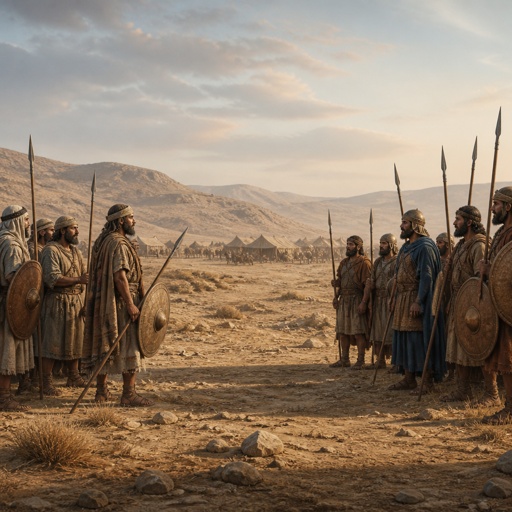
"And they made war with the Hagarites, with Jetur, and Nephish, and Nodab." - 1 Chronicles 5:19

1 Chronicles 19:9 - "And the children of Ammon came out, and put the battle in array before the gate of the city: and the kings that were come were by themselves in the field."
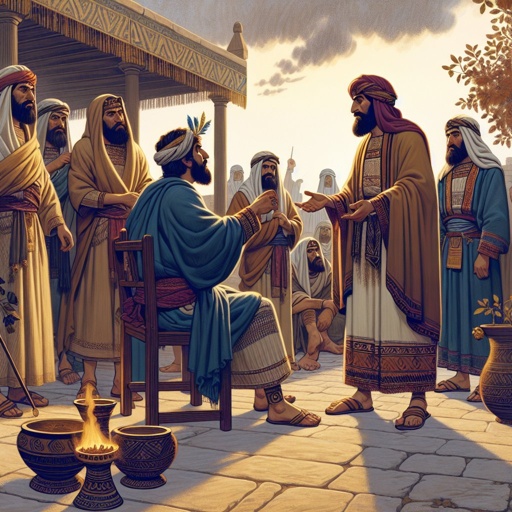
1 Chronicles 19:4 - "Wherefore Hanun took David's servants, and shaved them, and cut off their garments in the midst hard by their buttocks, and sent them away."

1 Chronicles 28:19 - "All this, said David, the LORD made me understand in writing by his hand upon me, even all the works of this pattern."