United in Battle: The Strength of Community and Leadership
"And the rest of the people he delivered unto the hand of Abishai his brother, and they set themselves in array against the children of Ammon." - 1 Chronicles 19:11
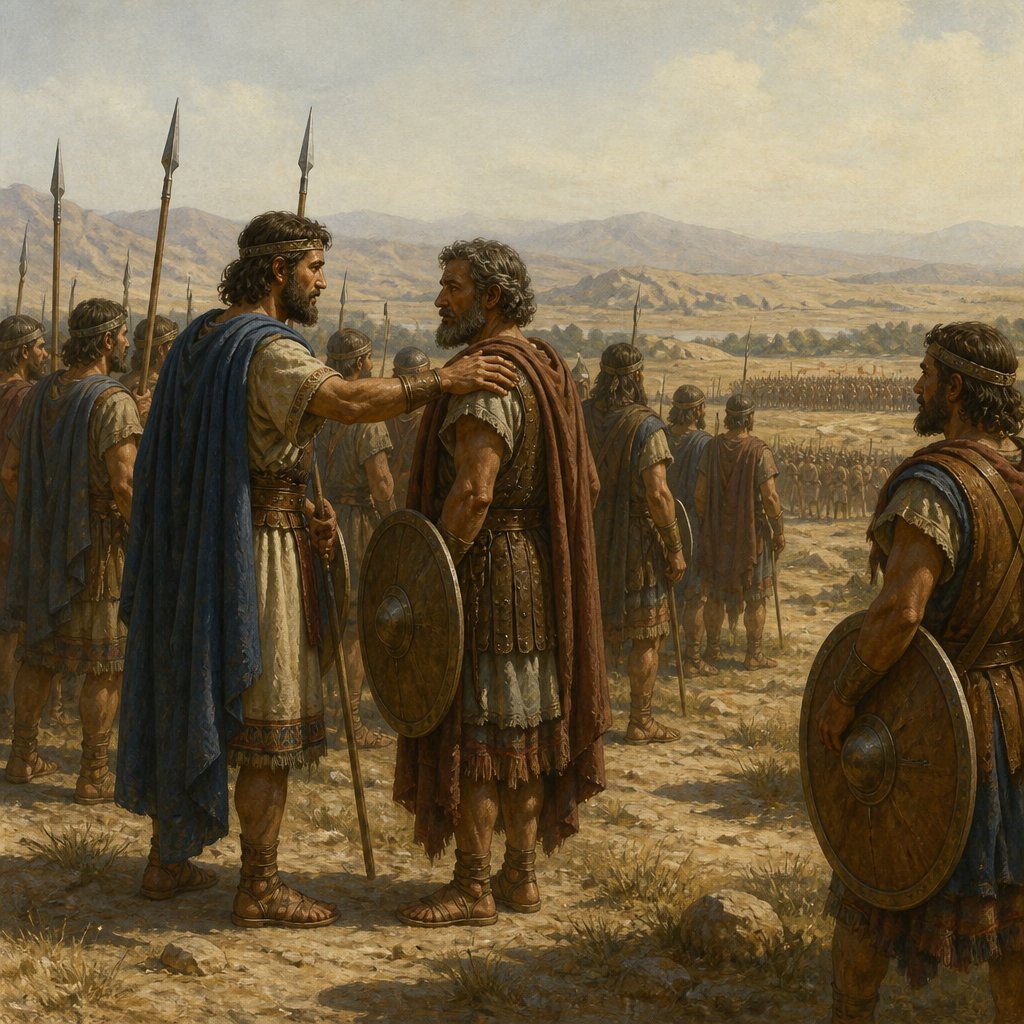
As we delve into 1 Chronicles 19:11, we find ourselves amidst a narrative filled with tension and urgency: "And the rest of the people he delivered unto the hand of Abishai his brother, and they set themselves in array against the children of Ammon." This single verse, though seemingly straightforward, opens a window into the profound themes of leadership, unity, and the power of community in the face of adversity.
This chapter recounts a time when King David was confronted by enemies, the children of Ammon, who had wronged him. A leader of any stature, especially one as esteemed as David, knows that the battle is not fought alone. It is in the dynamics of relationships and the delegation of responsibilities that strength is found. In this verse, we see David make a pivotal decision: he divides his forces, sending a portion under the command of his brave brother Abishai. This act speaks volumes about trust and confidence in fellow warriors.
Leadership, as exemplified by David, involves recognizing the strengths and capabilities of others. Abishai was not just a brother in blood but a brother in arms—an ally whose strengths complemented David’s own. David’s decision to delegate authority rather than confront the enemy alone reflects a vital lesson for us today: no one is an island. Whether in our families, workplaces, churches, or communities, we thrive when we work together, pooling our talents and gifts for a common goal. This partnership is crucial, especially when facing challenges that seem insurmountable, much like David's encounter with the Ammonites.
Abishai’s task was not merely a military strategy; it symbolized the broader principle of warfare that stretches into our lives: preparing for battle requires discipline and organization. The phrase “set themselves in array” conjures images of soldiers lining up, prepared for conflict, each individual aware of their role and duty. It prompts us to consider how we position ourselves in our own lives. Are we ready to engage with the challenges we face? Are we standing shoulder to shoulder with those who share our burdens? Are we willing to engage in the personal and spiritual battles that demand our attention?
The alliance between David and Abishai highlights another important aspect of this verse—response and readiness. Abishai did not hesitate; he was ready to engage against the foe. This readiness is vital for us as believers in Christ. The scriptures encourage us to be alert and prepared for the spiritual battles that come our way (Ephesians 6:12). We must be people who equip ourselves with the full armor of God and remain vigilant. The adversary is real, and he is relentless in his pursuit to test our faith and unity. Yet, like David and Abishai, we have the assurance that with united hearts and prepared minds, we can face whatever challenges may come.
Moreover, consider the scope of this battle; it was not just between two brothers but it was emblematic of a larger conflict—a struggle between good and evil. When we engage in the spiritual battles of our lives, we do so not in isolation but under the banner of Christ. We have the privilege to fight for justice, truth, and love, knowing that we are not the only ones carrying the load. The community of faith stands with us; every challenge we face is an opportunity to draw upon the unity within the body of Christ.
In conclusion, as we reflect upon 1 Chronicles 19:11, let us be inspired by the actions of David and Abishai. Let us strive to lead and support one another in the battles of life, knowing that we are stronger together. May we encourage unity within our families, churches, and communities, remembering that there is strength in numbers. Ultimately, let us set ourselves in array, ready to face our adversaries, not as isolated fighters but as a united front, emboldened by the collective spirit of Christ in us.
Want to reflect more on 1 Chronicles 19:11?
Continue your spiritual journey with Bible Chat — an AI-powered tool for exploring God's Word through conversation. Ask questions, discover connections, and deepen your understanding.
Get Our Apps


1 Chronicles 19:11 Artwork

1 Chronicles 19:11 - "And the rest of the people he delivered unto the hand of Abishai his brother, and they set themselves in array against the children of Ammon."
"And the rest of the people he delivered unto the hand of Abishai his brother, and they set themselves in array against the children of Ammon." - 1 Chronicles 19:11

2 Chronicles 11:19 - "Which bare him children; Jeush, and Shamariah, and Zaham."

1 Chronicles 8:19 - "And Jakim, and Zichri, and Zabdi,"

Nehemiah 11:1-19
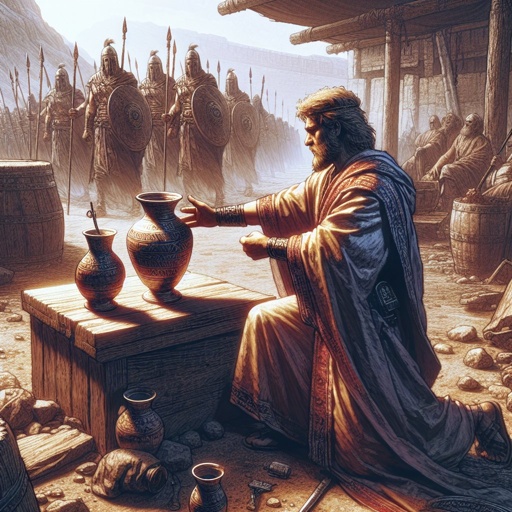
1 Chronicles 11:19 - "And said, My God forbid it me, that I should do this thing: shall I drink the blood of these men that have put their lives in jeopardy? for with the jeopardy of their lives they brought it. Therefore he would not drink it. These things did these three mightiest."

1 Chronicles 1:11 - "And Mizraim begat Ludim, and Anamim, and Lehabim, and Naphtuhim,"

1 Chronicles 5:19 - "And they made war with the Hagarites, with Jetur, and Nephish, and Nodab."

1 Chronicles 11:29 - "Sibbecai the Hushathite, Ilai the Ahohite,"

1 Chronicles 12:11 - "Attai the sixth, Eliel the seventh,"

1 Chronicles 24:11 - "The ninth to Jeshua, the tenth to Shecaniah,"

1 Chronicles 11:40 - "Ira the Ithrite, Gareb the Ithrite,"

1 Chronicles 11:27 - "Shammoth the Harorite, Helez the Pelonite,"

1 Chronicles 11:36 - "Hepher the Mecherathite, Ahijah the Pelonite,"

1 Chronicles 16:19 - "When ye were but few, even a few, and strangers in it."

1 Chronicles 7:19 - "And the sons of Shemidah were, Ahian, and Shechem, and Likhi, and Aniam."

1 Chronicles 11:47 - "Eliel, and Obed, and Jasiel the Mesobaite."

1 Chronicles 11:33 - "Azmaveth the Baharumite, Eliahba the Shaalbonite,"
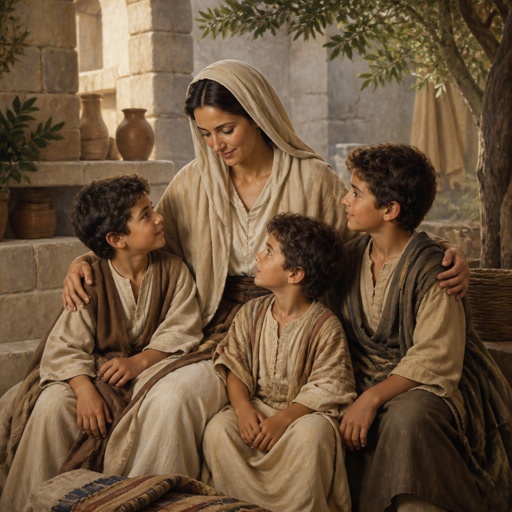
"Which bare him children; Jeush, and Shamariah, and Zaham." - 2 Chronicles 11:19

1 Chronicles 8:11 - "And of Hushim he begat Abitub, and Elpaal."

1 Chronicles 11:43 - "Hanan the son of Maachah, and Joshaphat the Mithnite,"

1 Chronicles 26:19 - "These are the divisions of the porters among the sons of Kore, and among the sons of Merari."

1 Chronicles 6:19 - "The sons of Merari; Mahli, and Mushi. And these are the families of the Levites according to their fathers."

1 Chronicles 27:19 - "Of Zebulun, Ishmaiah the son of Obadiah: of Naphtali, Jerimoth the son of Azriel:"

2 Chronicles 19:1 - "And Jehoshaphat the king of Judah returned to his house in peace to Jerusalem."

1 Chronicles 11:32 - "Hurai of the brooks of Gaash, Abiel the Arbathite,"

1 Chronicles 11:41 - "Uriah the Hittite, Zabad the son of Ahlai,"

1 Chronicles 11:37 - "Hezro the Carmelite, Naarai the son of Ezbai,"

Apocalipsis 11, 19; 12, 1-6. 10

1 Chronicles 6:11 - "And Azariah begat Amariah, and Amariah begat Ahitub,"