Divine Assistance and the Heart of Worship
"And it came to pass, when God helped the Levites that bare the ark of the covenant of the LORD, that they offered seven bullocks and seven rams." - 1 Chronicles 15:26
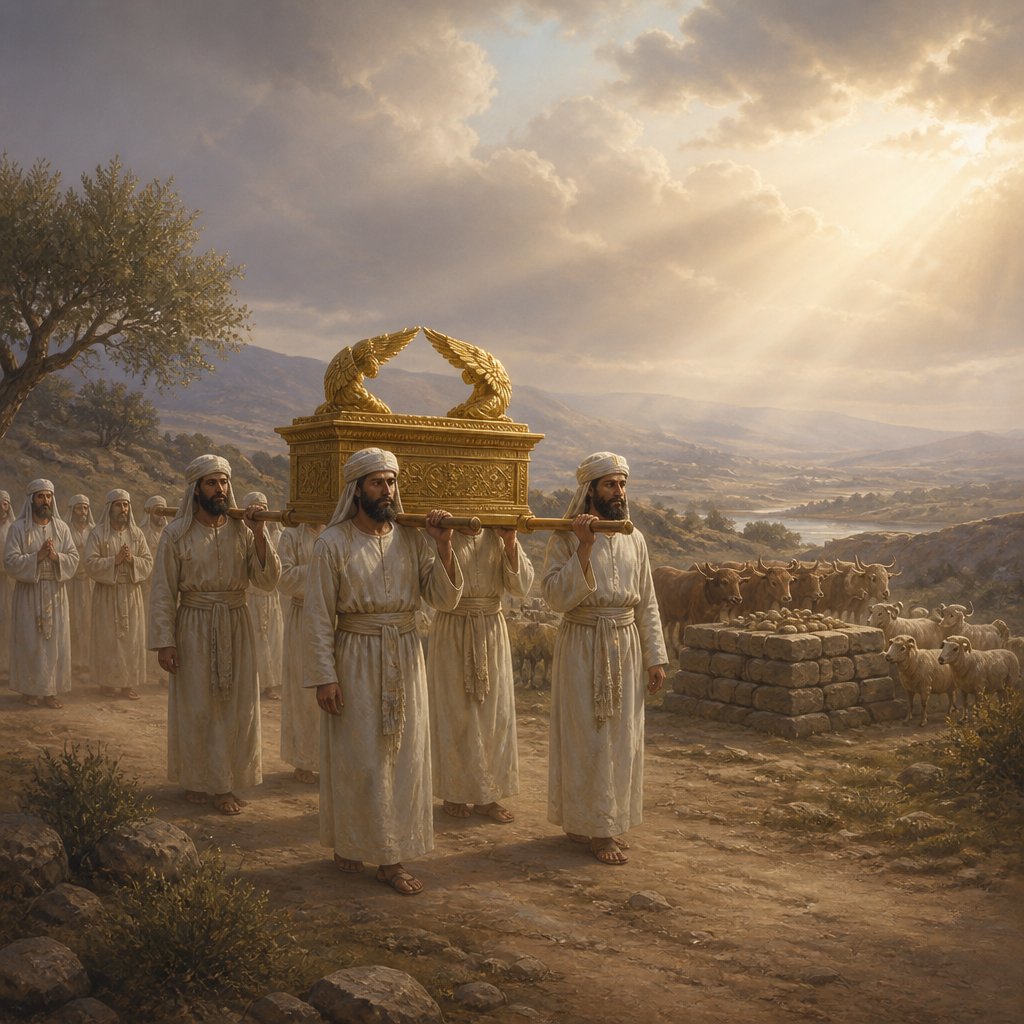
In the narrative of 1 Chronicles 15:26, we find a profound moment recorded that underscores the importance of God's assistance in our endeavors of worship. The verse states, "And it came to pass, when God helped the Levites that bare the ark of the covenant of the LORD, that they offered seven bullocks and seven rams." This passage invites us into a deeper understanding of the role of divine help in our service to God, and speaks volumes about our attitude towards worship.
The context of this verse is rooted in the effort to transport the Ark of the Covenant back to Jerusalem, where it symbolized God’s presence among His people. The Israelites had faced shame and struggle when they had previously tried to move the Ark without taking into account God’s prescribed way of doing things. This time, as they attempted to bring the Ark rightly, they recognized the necessity of seeking God’s assistance. The Levites understood that carrying the Ark was not merely a logistical exercise but a sacred duty that required divine empowerment.
In our lives today, just as the Levites recognized their need for God’s help, we too must acknowledge our dependence on God for every aspect of our service. There are numerous facets to our life and ministry where human strength falls short. Whether leading worship, serving in the church, or simply living out our faith daily, we must be aware that without divine intervention, our efforts may falter. This recognition should lead us to a posture of humility, prayer, and reliance on God. Like the Levites, we should ask ourselves, "Am I truly seeking God's help in my endeavors?"
The Levites’ offering of seven bullocks and seven rams after receiving God’s assistance is also noteworthy. This act was a demonstration of gratitude and dedication. In biblical times, offerings were not just about ritual; they held significant meaning, often symbolizing the worshiper’s whole-hearted commitment to God. The number seven frequently represents completeness or perfection in scripture, suggesting that their offering was a total surrender to God’s will, a full-circle act of worship.
Such a heartfelt response should inspire us to reflect on our worship practices. When we experience God’s help in our lives, how do we respond? Do we take a moment to acknowledge His guidance through acts of worship, thanksgiving, or service? Or do we quickly move to celebrate our achievements, forgetting the divine hand behind our successes? Recognizing God’s help should prompt us to offer our lives as living sacrifices, as articulated in Romans 12:1, thus leading to genuine worship that is acceptable and pleasing to Him.
Additionally, we must consider the community aspect of this passage. The Levites did not carry the Ark alone; they were part of a larger assembly. Their act of obedience and the subsequent offering reminded the entire community of the importance of God’s presence and how it sustained and guided them. In our modern context, we ought to foster a similar sense of community and collective gratitude towards God. In our churches, how do we celebrate and acknowledge God’s help together? Regularly taking time to share testimonies can build faith and encourage one another to trust in God’s ability to assist in our lives.
Lastly, this passage encourages us to remember that the journey of faith is often marked by the dual reality of divine assistance and human obedience. As we strive to fulfill God’s call on our lives, let us take heart knowing that we don’t walk this path alone. God is actively involved in our journey; He is eager to help those who earnestly seek Him.
In closing, may we embrace both the heart of worship seen in the Levites as they offered sacrifices and the spirit of dependence on God’s help in all our endeavors. As we carry our own 'arks'—whether responsibilities, burdens, or calls to ministry—let us do so with the understanding that with God’s help, our offerings will be both honoring to Him and a powerful expression of grateful worship.
Want to reflect more on 1 Chronicles 15:26?
Continue your spiritual journey with Bible Chat — an AI-powered tool for exploring God's Word through conversation. Ask questions, discover connections, and deepen your understanding.
Get Our Apps


1 Chronicles 15:26 Artwork
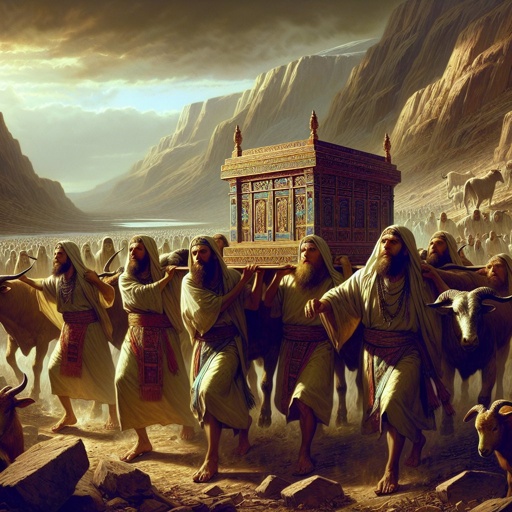
1 Chronicles 15:26 - "And it came to pass, when God helped the Levites that bare the ark of the covenant of the LORD, that they offered seven bullocks and seven rams."
"And it came to pass, when God helped the Levites that bare the ark of the covenant of the LORD, that they offered seven bullocks and seven rams." - 1 Chronicles 15:26

1 Chronicles 26:15 - "To Obed-edom southward; and to his sons the house of Asuppim."
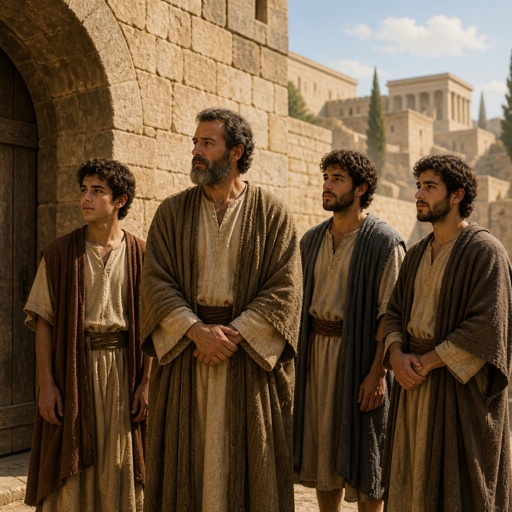
"To Obed-edom southward; and to his sons the house of Asuppim." - 1 Chronicles 26:15

1 Chronicles 1:26 - "Serug, Nahor, Terah,"

2 Kings 15:26 - "And the rest of the acts of Pekahiah, and all that he did, behold, they are written in the book of the chronicles of the kings of Israel."

1 Chronicles 8:26 - "And Shamsherai, and Shehariah, and Athaliah,"

1 Chronicles 1:15

1 Chronicles 1:15

1 Chronicles 26:23 - "Of the Amramites, and the Izharites, the Hebronites, and the Uzzielites:"

John 15:26 NLT

1 Chronicles 1:15 - "And the Hivite, and the Arkite, and the Sinite,"

1 Chronicles 26:1 - "Concerning the divisions of the porters: Of the Korhites was Meshelemiah the son of Kore, of the sons of Asaph."

"Serug, Nahor, Terah," - 1 Chronicles 1:26

1 Chronicles 12:26 - "Of the children of Levi four thousand and six hundred."

1 Chronicles 26:3 - "Elam the fifth, Jehohanan the sixth, Elioenai the seventh."

1 Chronicles 26:18 - "At Parbar westward, four at the causeway, and two at Parbar."

1 Corinthians 15:26 - "The last enemy that shall be destroyed is death."

1 Chronicles 26:24 - "And Shebuel the son of Gershom, the son of Moses, was ruler of the treasures."

1 Chronicles 26:9 - "And Meshelemiah had sons and brethren, strong men, eighteen."

1 Chronicles 16:26 - "For all the gods of the people are idols: but the LORD made the heavens."

1 Chronicles 29:26 - "¶ Thus David the son of Jesse reigned over all Israel."

1 Chronicles 26:19 - "These are the divisions of the porters among the sons of Kore, and among the sons of Merari."

1 Chronicles 24:26 - "The sons of Merari were Mahli and Mushi: the sons of Jaaziah; Beno."

1 Chronicles 8:15 - "And Zebadiah, and Arad, and Ader,"

1 Chronicles 24:15 - "The seventeenth to Hezir, the eighteenth to Aphses,"

1 Chronicles 7:26 - "Laadan his son, Ammihud his son, Elishama his son,"

1 Chronicles 26:27 - "Out of the spoils won in battles did they dedicate to maintain the house of the LORD."

1 Chronicles 26:5 - "Ammiel the sixth, Issachar the seventh, Peulthai the eighth: for God blessed him."

1 Chronicles 25:26 - "The nineteenth to Mallothi, he, his sons, and his brethren, were twelve:"