The Tragedy of Abandonment: A Devotional Reflection on 1 Chronicles 10:7
"And when all the men of Israel that were in the valley saw that they fled, and that Saul and his sons were dead, then they forsook their cities, and fled: and the Philistines came and dwelt in them." - 1 Chronicles 10:7
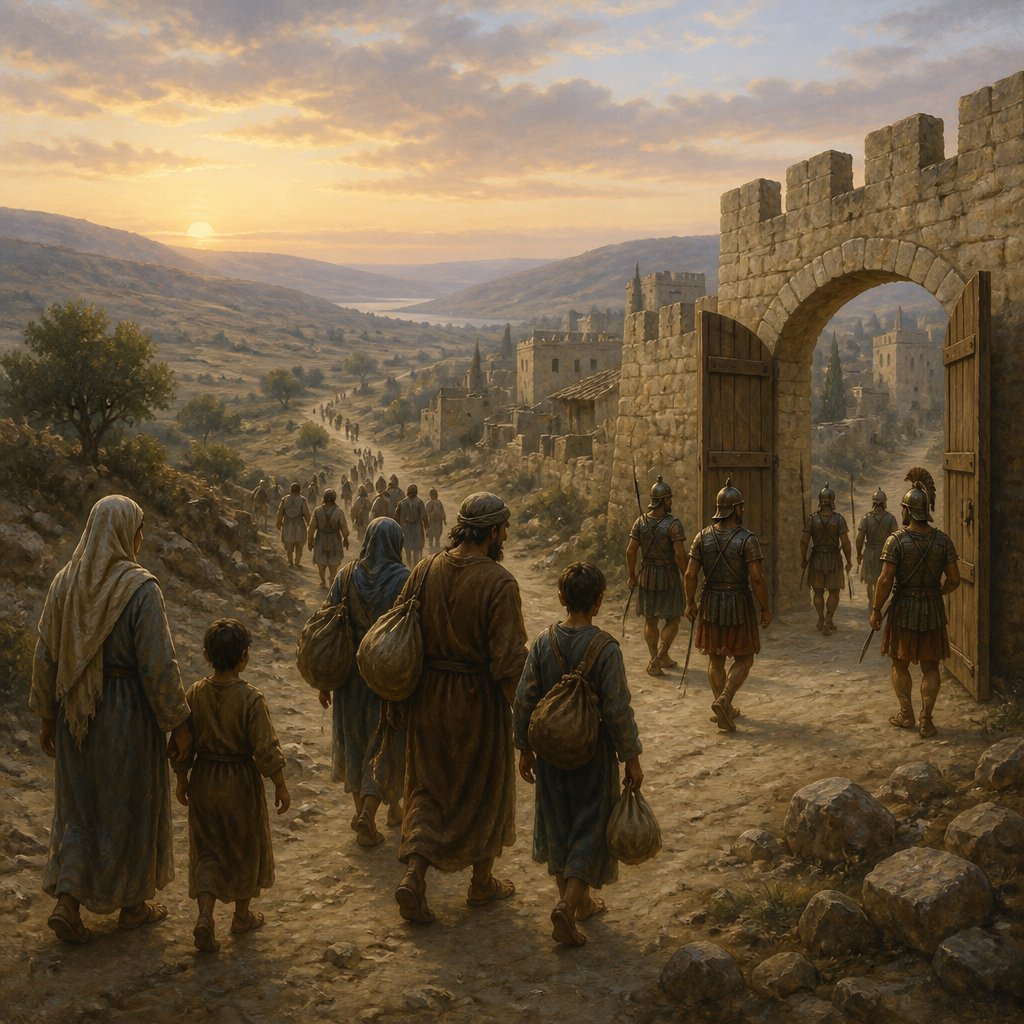
In the somber tale chronicled in 1 Chronicles 10:7, we are confronted with a scene filled with despair: "And when all the men of Israel that were in the valley saw that they fled, and that Saul and his sons were dead, then they forsook their cities, and fled: and the Philistines came and dwelt in them." This verse encapsulates a moment of profound loss, abandonment, and the consequences of despair among the Israelite people following the death of their king, Saul, and his sons. It serves as a poignant reminder of the fragility of human leadership and the weight of collective despair.
To fully grasp the devastation this verse portrays, we must first reflect on the context. Saul, the first king of Israel, was not just a ruler; he was a representation of hope for a nation that had long desired a king—an embodiment of Israel’s identity. However, his reign was marred by disobedience, fear, and ultimately death on the battlefield. This transition from confidence in a king to the shocking reality of defeat is dramatized in the reaction of the people. The Israelites, witnessing the demise of their king and the ensuing chaos of battle, fled in terror, abandoning their homes and cities to the invaders.
This moment teaches us about the power and influence of leadership. When Saul was leading, the Israelites felt secure, united, and emboldened. But the moment they perceived the downfall of their leader—a leader whom they had once looked to for guidance and protection—they abandoned every bit of strength and resilience they had. The emotional toll of losing their king manifested in a physical absence as they forsook their cities, highlighting the deep-seated connection between leadership and the collective psyche of a nation.
In a spiritual context, Saul symbolizes human frailty. As believers, we often place our trust in earthly leaders—a pastor, a government, a mentor—believing they will guide us to a place of safety and guidance. When these figures falter or fail, it can shatter our confidence and lead to a crisis of faith. The act of the Israelites fleeing reminds us of what happens when we invest our hope in humanity rather than the Divine.
The further implication arises: when the Israelites forsook their cities, what they left behind was not merely an empty town but a vacancy that allowed the Philistines to dwell where once they thrived. This act of abandonment represents a spiritual vacuum. Just as fear and despair caused them to leave their homes, so too does fear allow the enemy to seize ground in our lives. In our moments of fear, anger, and sorrow, do we inadvertently abandon our spiritual homes, allowing the enemy to take residence in our hearts and minds?
Moreover, this verse calls us to consider our response to loss and despair. The Israelites' flight was a manifestation of hopelessness, yet as believers, we are called to respond differently. In the face of tragedy and loss, we must remember that our true source of hope and refuge is not in human leadership but in God Himself. He is our protector, our fortress, and our everlasting King, untainted by human failure.
In these modern times, it can sometimes feel as if we are witnessing our own versions of despair in the world around us. Nations are in turmoil, leaders betray trust, and fear seeks to invade our hearts. Yet, like the Israelites, we have a choice—not to abandon our cities, but to stand firm in our faith, to cultivate a refuge within ourselves that invites God's presence.
Thus, let us not forsake our spiritual homes when the weight of despair bears down on us. Instead, may we build our cities on the foundation that is Christ, who never fails us, and may we be emboldened to reclaim what fear may have caused us to relinquish. Let us remain steadfast, knowing that even in the darkest times, we do not fight alone. In His name, we find our strength and our peace.
Want to reflect more on 1 Chronicles 10:7?
Continue your spiritual journey with Bible Chat — an AI-powered tool for exploring God's Word through conversation. Ask questions, discover connections, and deepen your understanding.
Get Our Apps


1 Chronicles 10:7 Artwork

1 Chronicles 10:7 - "And when all the men of Israel that were in the valley saw that they fled, and that Saul and his sons were dead, then they forsook their cities, and fled: and the Philistines came and dwelt in them."
"And when all the men of Israel that were in the valley saw that they fled, and that Saul and his sons were dead, then they forsook their cities, and fled: and the Philistines came and dwelt in them." - 1 Chronicles 10:7

1 Chronicles 7:10 - "The sons also of Jediael; Bilhan: and the sons of Bilhan; Jeush, and Benjamin, and Ehud, and Chenaanah, and Zethan, and Tharshish, and Ahishahar."

2 Chronicles 10:7 - "And they spake unto him, saying, If thou be kind to this people, and please them, and speak good words to them, they will be thy servants for ever."

1 Chronicles 4 : 10

1 Chronicles 1:7 - "And the sons of Javan; Elishah, and Tarshish, Kittim, and Dodanim."

1 Chronicles 10:10 - "And they put his armour in the house of their gods, and fastened his head in the temple of Dagon."

1 Chronicles 14:7 - "And Elishama, and Beeliada, and Eliphalet."

1 Chronicles 3:7 - "And Nogah, and Nepheg, and Japhia,"

1 Chronicles 9:10 - "¶ And of the priests; Jedaiah, and Jehoiarib, and Jachin,"

1 Chronicles 1:10 - "And Cush begat Nimrod: he began to be mighty upon the earth."

1 Chronicles 12:10 - "Mishmannah the fourth, Jeremiah the fifth,"

1 Chronicles 24:10 - "The seventh to Hakkoz, the eighth to Abijah,"

1 Chronicles 10:6 - "So Saul died, and his three sons, and all his house died together."

1 Chronicles 23:7 - "¶ Of the Gershonites were, Laadan, and Shimei."
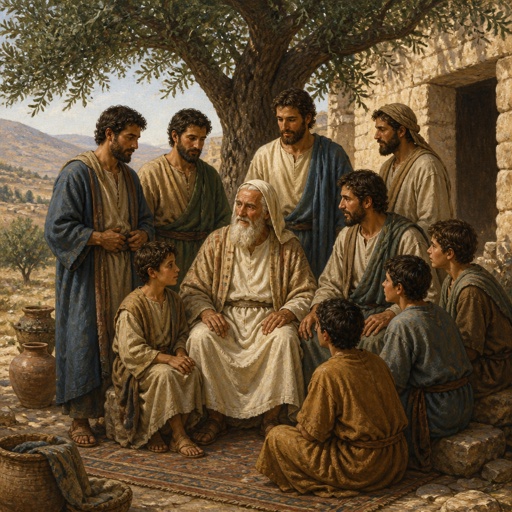
"The sons also of Jediael; Bilhan: and the sons of Bilhan; Jeush, and Benjamin, and Ehud, and Chenaanah, and Zethan, and Tharshish, and Ahishahar." - 1 Chronicles 7:10

1 Chronicles 7:39 - "And the sons of Ulla; Arah, and Haniel, and Rezia."

1 Chronicles 7:38 - "And the sons of Jether; Jephunneh, and Pispah, and Ara."

1 Chronicles 12:7 - "And Joelah, and Zebadiah, the sons of Jeroham of Gedor."

Exodus 7:10

1 Chronicles 7:1 - "Now the sons of Issachar were, Tola, and Puah, Jashub, and Shimron, four."

1 Chronicles 10:11 - "¶ And when all Jabesh-gilead heard all that the Philistines had done to Saul,"

1 Chronicles 7:6 - "¶ The sons of Benjamin; Bela, and Becher, and Jediael, three."

1 Chronicles 7:34 - "And the sons of Shamer; Ahi, and Rohgah, Jehubbah, and Aram."

1 Chronicles 4:7 - "And the sons of Helah were, Zereth, and Jezoar, and Ethnan."

1 Chronicles 6:7 - "Meraioth begat Amariah, and Amariah begat Ahitub,"

1 Chronicles 7:37 - "Bezer, and Hod, and Shamma, and Shilshah, and Ithran, and Beera."

1 Chronicles 7:27 - "Non his son, Jehoshua his son."

Daniel 7: 9-10

Daniel 7:9-10