The Consequences of Turning Away: A Reflection on 1 Chronicles 10:13
"¶ So Saul died for his transgression which he committed against the LORD, even against the word of the LORD, which he kept not, and also for asking counsel of one that had a familiar spirit, to enquire of it;" - 1 Chronicles 10:13

In a world that idolizes achievement, success, and the pursuit of personal goals, the biblical figure of King Saul serves as a sobering reminder of the importance of humility and obedience to God. 1 Chronicles 10:13 provides a comprehensive account of why Saul met his tragic end: “So Saul died for his transgression which he committed against the LORD, even against the word of the LORD, which he kept not, and also for asking counsel of one that had a familiar spirit, to enquire of it.” Saul's demise was not merely the result of a single failure or mistake; it was the culmination of a series of decisions that led him down a path of disobedience and rebellion against the divine will.
To understand the gravity of Saul’s actions, we need to delve into the context of his reign and the expectations placed upon him as God’s anointed king. When chosen by God, Saul had a clear mandate—to lead God’s people according to His statutes, reflect His glory, and remain faithful in every aspect of his life. Yet, throughout his reign, Saul repeatedly disregarded God’s guidance, choosing instead to follow his own desires and plans. This ongoing pattern of rebellion resulted in a severe consequence, where God ultimately rejected Saul as king.
This rejection is rooted in Saul’s transgressions, as outlined in our focal verse. The term “transgression” indicates a willful defiance against God’s commands. It is not merely a failure to understand or a lapse in judgment; it reflects a conscious choice to abandon divine instructions. Each time Saul chose to act against God's word, he not only distanced himself from God's favor, but he also led his people into a wilderness of disobedience.
The reference to Saul seeking counsel from a familiar spirit illustrates this point further. In today's context, this act can be likened to seeking wisdom and guidance from sources that contradict God’s truth—whether it be through secular philosophies, misleading ideologies, or even a desperate attempt to manipulate circumstances apart from God’s will. By turning to mediums and necromancers, Saul exemplified a lack of faith in the One true God who had led him thus far. He essentially rejected God’s guidance when he needed it most.
Life continually presents us with choices. Like Saul, each decision carries the weight of potential consequences, shaping our paths toward righteousness or steering us away from God. This is a critical reminder for us as we navigate the complexities of our lives. In seeking direction, we must deliberately choose to involve God, seeking His counsel through prayer, scripture, and wise counsel in alignment with Biblical doctrine.
The severe ending of Saul’s life should awaken in us a sense of urgency about our own spiritual lives. Are we also at risk of following a path that pleases us rather than God? Are we consulting the right sources when faced with difficult decisions? The narrative of Saul urges us to recognize that our choices resonate beyond our own lives; they influence those around us.
In contemplating Saul’s tragic fall, we reaffirm the need for vigilance in our spiritual walk. Acknowledge the lies that the world may present, and instead anchor yourself in God’s everlasting truth. When faced with dilemmas, remember that true wisdom comes from intimate communion with God and obedience to His Word.
In conclusion, let us learn from Saul's mistakes. May we vigilantly guard our hearts from turning away from God's ways and instead strive to seek Him in all circumstances. Let Saul's story remind us that obedience to God is not only a command; it is a safeguard for our souls and a pathway to the abundant life He promises.
Want to reflect more on 1 Chronicles 10:13?
Continue your spiritual journey with Bible Chat — an AI-powered tool for exploring God's Word through conversation. Ask questions, discover connections, and deepen your understanding.
Get Our Apps


1 Chronicles 10:13 Artwork

1 Chronicles 10:13 - "¶ So Saul died for his transgression which he committed against the LORD, even against the word of the LORD, which he kept not, and also for asking counsel of one that had a familiar spirit, to enquire of it;"

"¶ So Saul died for his transgression which he committed against the LORD, even against the word of the LORD, which he kept not, and also for asking counsel of one that had a familiar spirit, to enquire of it;" - 1 Chronicles 10:13

2 Chronicles 10:13 - "And the king answered them roughly; and king Rehoboam forsook the counsel of the old men,"

1 Chronicles 13:10 - "And the anger of the LORD was kindled against Uzza, and he smote him, because he put his hand to the ark: and there he died before God."
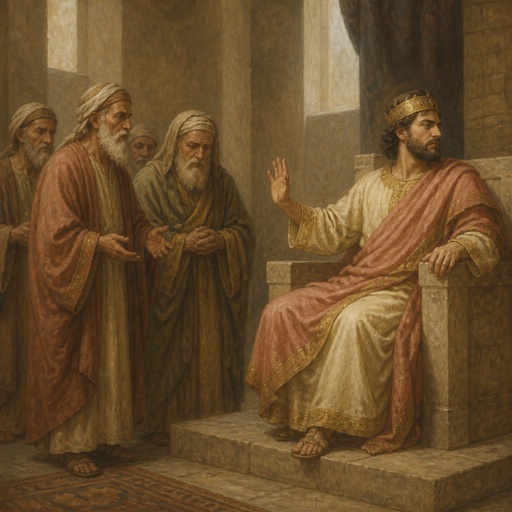
"And the king answered them roughly; and king Rehoboam forsook the counsel of the old men," - 2 Chronicles 10:13

1 Chronicles 1:13 - "And Canaan begat Zidon his firstborn, and Heth,"

1 Chronicles 13:1 - "And David consulted with the captains of thousands and hundreds, and with every leader."

1 Chronicles 4 : 10

1 Chronicles 24:13 - "The thirteenth to Huppah, the fourteenth to Jeshebeab,"

1 Chronicles 12:13 - "Jeremiah the tenth, Machbanai the eleventh."

1 Chronicles 10:10 - "And they put his armour in the house of their gods, and fastened his head in the temple of Dagon."

1 Chronicles 9:10 - "¶ And of the priests; Jedaiah, and Jehoiarib, and Jachin,"

1 Chronicles 1:10 - "And Cush begat Nimrod: he began to be mighty upon the earth."

1 Chronicles 12:10 - "Mishmannah the fourth, Jeremiah the fifth,"

1 Chronicles 24:10 - "The seventh to Hakkoz, the eighth to Abijah,"

1 Chronicles 10:6 - "So Saul died, and his three sons, and all his house died together."

1 Chronicles 6:13 - "And Shallum begat Hilkiah, and Hilkiah begat Azariah,"

1 Corinthians 10:13

1 Corinthians 10:13

1 Chronicles 13:13 - "So David brought not the ark home to himself to the city of David, but carried it aside into the house of Obed-edom the Gittite."

1 Corinthians 10:13

Mark 10:13–16

1 Chronicles 4:13 - "And the sons of Kenaz; Othniel, and Seraiah: and the sons of Othniel; Hathath."

1 Chronicles 14:13 - "And the Philistines yet again spread themselves abroad in the valley."

1 Chronicles 10:11 - "¶ And when all Jabesh-gilead heard all that the Philistines had done to Saul,"

1 Chronicles 7:13 - "¶ The sons of Naphtali; Jahziel, and Guni, and Jezer, and Shallum, the sons of Bilhah."

1 Chronicles 10:5 - "And when his armourbearer saw that Saul was dead, he fell likewise on the sword, and died."

Combine the authority theme described in Romans 13:1-7 and Revelation 13:1-10.
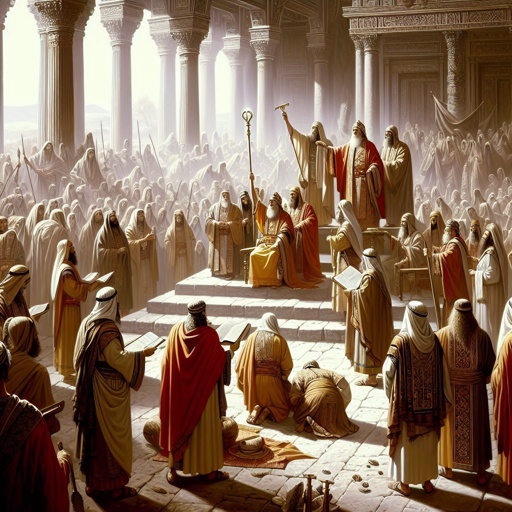
2 Chronicles 13:10 - "But as for us, the LORD is our God, and we have not forsaken him; and the priests, which minister unto the LORD, are the sons of Aaron, and the Levites wait upon their business:"

1 Chronicles 2:13 - "¶ And Jesse begat his firstborn Eliab, and Abinadab the second, and Shimma the third,"